Abby Rose
Abby is a regenerative farmer, soil health advocate, storyteller and co-founder of Vidacycle and Farmerama Radio, whose work connects ecological farming, living soils, food systems and community, amplifying the voices of farmers and exploring how we can cultivate a more reciprocal and sustainable relationship with the Earth.
 Àdhamh Ó Broin
Àdhamh is a Scottish Gaelic tradition bearer and cultural custodian, dedicated to the preservation, revitalisation and intergenerational transmission of Gaelic language, oral history, folklore and ancestral knowledge.
Alessandro Giuggioli
After a 20-year career in acting, and writing and producing movies in Rome, in 2019 Alessandro co-founded Quintosapore with his twin brother Nicola and his sister Livia. He spends the majority of his time in the fields, seeding, growing, harvesting and creating a healthy ecosystem with his team of young farmers and a little help from Nature.
 Alex Brooks
Alex’s work is about people and place (and, often, public toilets). Drawing on an extensive career in social care and youth work, and more latterly training in landscape architecture and permaculture through the Grow More Growers pilot, she is exploring how growing food whilst facing an uncertain future could be shaped by care – for individuals, communities, the land and resources and the messy, everyday lives that connect them.
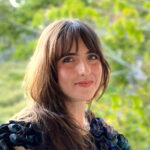 Alex Hunter
Alex is from Aotearoa NZ and has a background in social housing community development, specialising in urban food security. In London, she’s the coordinator of the Good Food Box, an organic fruit and veg box scheme run by Granville Community Kitchen (GFB), based in South Kilburn. The GFB uses a solidarity-based, three-tier pricing system, which encourages neighbours to invest in each other’s wellbeing. It operates within a wider ecology of community food systems transformation projects.
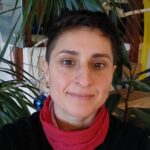 Ali Taherzadeh
Ali is an organiser, facilitator, and researcher in the agroecology and food and land justice movements. They currently work for Landworkers’ Alliance as Membership Support and Services Coordinator and within the steering group of Landmatch England. Ali also coordinates the Movement Strategy Process for Food, Farming, and Land with Christabel Buchanan and they are a worker member within Teasel Coop, a queer land project in Cardiff.
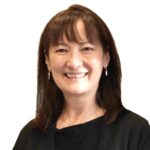 Alice Cunningham
Alice is the Executive Director of International Affairs of Shumei International, a Japan-based non-governmental organisation and member of the Conscious Food Systems Alliance. Working closely with Natural Agriculture farmers around the world, including hundreds of farmers in Japan, she helps to share their stories of resilience, community, biodiversity, and food security. Alice speaks internationally promoting sustainable development and a lifestyle in harmony with nature.
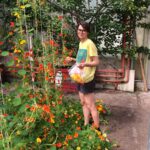 Alice Holden
Alice is head grower at Growing Communities Dagenham farm. The farm grows up to 5 tonnes of salad crops and leafy greens a year and hosts school and college visits. Alice helped establish the farm and has been there since 2012. She has worked as a farm labourer on various organic farms and helped design and implement the growing at Sitopia Farm, Greenwich. Her book, Do Grow was written with the intention of enabling and encouraging more people to grow organic food.
 Alice Markham
Alice is the ‘Grow it, Cook it’ project coordinator at OrganicLea, where she connects the farm’s community cooking work to climate, agroecology and food systems change. OrganicLea is a community farm in North East London that grows and distributes food and plants. Through education and community, it inspires and supports others to do the same. With a workers’ cooperative at its core, OrganicLea brings people together to take action towards a more just and sustainable society.
 Alice Rixon
Alice, aka ‘The Veg Lady’, is an organic vegetable grower in Chettle, North Dorset. After starting the farm and team from scratch in 2023, Alice has grown the farm to produce agroecological vegetables for many households, shops and restaurants around Dorset whilst also selling to wholesale. Alice is driven to inspire young people to take up a career in vegetable growing and speaks openly about the challenges and joys of the journey.
 Alys Bannister
Alys is Sustainable Farming Campaign Manager at Sustain, where she leads work to support a transition to agroecological farming and fairer food and farming systems. Her current work includes engaging with Defra, coordinating Sustain’s Farming Working Party, and shaping policy on issues such as environmental land management, supply chain fairness, and horticulture.
 Amelia Horgan
Amelia is a writer, researcher and editor. She is Principal Editor at the think tank, Common Wealth. She holds a PhD in Philosophy from the University of Essex, an MA in the History of Political Thought from the University of London and a BA in History from the University of Cambridge. Amelia is the author of Lost in Work.
 Amelia Twine
Amelia is the founder of A Single Thread CIC and a sustainability campaigner with over 15 years’ experience working in sustainable food, hospitality and fashion. She launched AST in 2020 to deliver the UK’s first Sustainable Fashion Week, with the aim of making sustainability in fashion more relevant, inclusive and community-led – empowering people to change their fashion habits through creative, hyper-local action.
Amy Arnold
Amy, Headteacher at Barnham CEVC Primary School, has over 25 years’ experience in education and has pioneered a 10-year approach to embedding food, farming and sustainability across the curriculum. Through farm visits and hands-on experiences both on and beyond the school site, she connects children with food production and the land, inspiring a growing legacy of former pupils entering the agricultural industry and nurturing the next generation of farming and environmental stewards.
Amy Belle Birtles
Amy (they/them) is a food and land justice organiser based in Hackney, currently co-coordinator of the Community Food Growers Network (CFGN). They have spent years growing food and herbs, and sharing growing knowledge through community projects across East London, including Hackney Herbal, OrganicLea and Urban Organic. Their work explores the intersections of land, food, disability justice and care, imagining futures where land and nourishing food are shared and accessible to all.
 Amy Cairns
Amy is an agroecological food grower and educator, currently growing veg at School Farm CSA in Devon, and working as Membership Manager at CSA Network UK. She has over 10 years’ experience in community-focused landwork projects across South West England. She is motivated by the role of the local food movement in transitioning away from supermarket monopolies, towards a fairer food system for all, and as a solution to social, political and environmental crises.
 Amy Luck
Amy is the Communications and Policy Manager at the CSA Network. She has worked in sustainable food and health policy, and therapeutic growing in different continents. She is interested in making agroecological food growing more accessible, and passionate about the multitude of social, health, environmental benefits of community farming being recognised and better supported. As well as working at the network, Amy works freelance supporting environmental projects with funding and research.
 Ana Allamand
Ana is the Soil Association’s Knowledge Exchange Manager. An expert in knowledge exchange and interactive agricultural innovation, she works on farmer-led innovation projects in the UK and the EU. She has years of expertise facilitating trainings, developing resources and implementing activities to make interactive innovation knowledge, methods, skills and tools accessible to as many people as possible in different forms – for example, peer-to-peer events and strategies, farm trials and Living Labs.
André Leu
André is an organic, regenerative farmer and global leader in regenerative agriculture. He is the International Director of Regeneration International and a former President of IFOAM – Organics International.
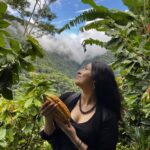 Andrea Falcon
Andrea is a Peruvian founder, activist and systems thinker of Quechua descent, based in Switzerland and working between Peru and international forums. She pioneers ritual and sensory approaches with cacao and plant intelligence in decision-making spaces, bringing embodied ancestral knowledge into conversations on food sovereignty, regenerative food systems and economic transformation. She engages with Peruvian government institutions and international networks to advance these agendas.
Andrea Rincón
Andrea is a Colombian investigative journalist and editor. She is head of collaborative projects at investigative news outlet Cuestión Pública. She covers organised crime, corruption, human rights, and gender-based violence. She is an MSc Entrepreneurship and Innovation Management candidate at Loughborough University London.
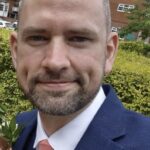 Andrew Cowan
Andrew is the Senior Operations Manager for Bury Council’s school catering service and LACA North West board representative. With over 20 years of experience in the private catering sector, Andrew has a proven track record of delivering high-quality, nutritious meals which are also efficient and cost-effective.
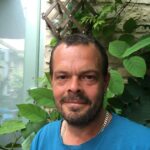 Andy Dibben
Andy is Head Grower at Abbey Home Farm, producing over 90 different crop lines of organic fruit and vegetables, on a field scale, in an intensive market garden, polytunnels and glasshouse. He trains apprentices, gives presentations and workshops on organic horticulture and is co-author of Silvohorticulture: A Grower’s Guide to Integrating Trees Into Crops. He is passionate about sharing knowledge with all sections of society and scales of food production.
Andy Gray
Andy, a thirteenth-generation farmer from Devon, has multifarious interests around agriculture and food, including soil and dung beetle research, farming, living mulches, organo-mineral fertiliser production, agroforestry, butchery and small abattoirs. A keen triallist and ‘experimental agriculturalist’, he is currently implementing an ADOPT trial focusing on maize establishment methods into living mulches. He is also a partner in the recently launched Centre for Dynamic Soils.
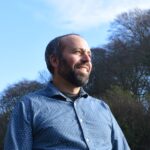 Andy Raingold
Andy is a nature-based facilitator, speaker and social entrepreneur who inspires transformation and supports people to grow their capacity to catalyse meaningful change in the world. Since co-founding Change in Nature in 2016, Andy has guided transformative experiences in the natural world for a wide range of people – from emerging leaders and progressive businesses to teenage boys and global change-makers. He is currently writing a book on active hope.
Anita Atkins
Anita is Sustainability Director at Daylesford Organic, leading sustainability strategy and impact across the business. Her work focuses on the impact and connections between farming, nature, food and people, and how these can help shape a more resilient food system.
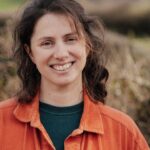 Anna David
Anna works at Riverford’s Home Farm in South Devon. She works alongside the farm management team to improve sustainability in areas such as habitat management, peat-free horticulture and farm water management. This summer she has been overseeing trials on smart irrigation systems and improving the understanding of water use on the farm.
 Anna Wylie
Anna is a young farmer, working on her family’s beef and arable farm, near Burntisland, Fife. She holds an Erasmus Mundus LL.M in International Law of Global Security, Peace and Development. She works to produce sustainable food and contribute to a resilient food system. She is the founder and chair of the UK Youth Food and Farming Forum, sits on the Nature Friendly Farming Network Scotland Steering Group and has been recognised on the 30 Under 30 2026 Young Women’s Movement list for her work.
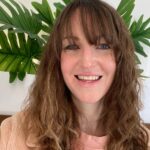 Anne Rees
Anne leads the Soil Association’s work on horticulture and fresh produce. Drawing on 16 years’ experience in organic supply chains, marketing and crop planning, she works to strengthen opportunities for farmers and growers. She is passionate about seasonal food, local produce and supporting the transition to organic farming.
 Annie Gray
Annie is one of Britain’s leading food historians. She’s best known as a panellist on BBC Radio 4’s flagship show The Kitchen Cabinet, and has worked extensively as a consultant and expert voice across both radio and TV. She also works as a consultant to the heritage industry. Her many books include a culinary biography of Queen Victoria, a history of the British High Street, and a forthcoming (enormous) encyclopaedia called Food Britannica: The Stories of British Food.
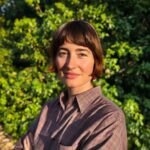 Annie Gregoire
Annie is a socio-ecological scientist working at the intersection of food systems, justice and environmental change. She is a researcher and PhD candidate based in the School of Geosciences at the University of Edinburgh. Her PhD research looks at the ecological impacts of cocoa consumption and the future of cocoa in the global food system. She is also involved in projects exploring alternative grain networks in the UK and US, and honey production in the forests of Mozambique.
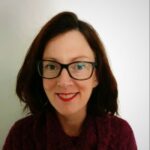 Anouska Perram
Anouska is a senior lawyer and Coordinator of the Environmental Governance Programme at Forest Peoples Programme, an NGO working alongside Indigenous Peoples and forest peoples to secure their rights in law and in practice. She has worked extensively with Indigenous Peoples in Africa, South America and Asia on securing their territories and strengthening their sustainable governance, including through maintaining and revitalising traditional food systems.
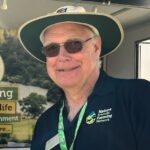 Anthony Curwen
Anthony is the Country Estate Manager of Quex Park in Kent. The estate grows wheat, oilseed rape, oats, beans, potatoes and maize silage across 2,500 acres of arable land. Cattle, managed by the neighbouring farm, graze 250 acres of rough pasture. After a 25-year gap, the Estate has reintroduced vegetable production, grown without insecticides or fungicides, and is targeting hyperlocal markets.
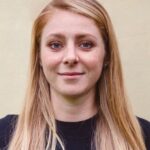 Aoife Franklyn
Aoife is a consultant and researcher, focusing on agroecology, ethics of care and food systems transformation. She has worked across South East Asia, Afghanistan, Africa and the EU on sustainable development policy and interdisciplinary research initiatives, and currently co-leads the research and youth groups with Conscious Food Systems Alliance. She holds an MSc in Environmental Policy and is undertaking her PhD on soil care and agroecological transitions in southern England.
Ashley Wheeler
Ashley runs Trill Farm Garden with his partner Kate. They have been growing for restaurants, cafes and shops, and they set up a box scheme in 2020. They produce seed commercially and teach courses at the farm. Ashley is a founding member of the Landworkers’ Alliance.
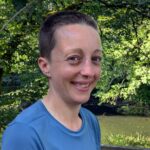 Ayms Mason
Ayms is an agroecological researcher, specialising in agri-tech and food and farming system transformation. They currently work with Beyond GM and A Bigger Conversation on a range of project, advocacy and research work. They previously worked as a market gardener on a 2-acre plot in Worcestershire, serving a farm shop.
 Barbara Bray
Barbara is a registered nutritionist and food safety consultant of African heritage. Over 30 years, she has worked on food safety in supply chains and nutrition strategy for businesses, alongside leadership and educational public engagement roles. A 2017 Nuffield Farming Scholar, she studied nutrition and vegetable farming systems internationally. Her passion for nutrition and food led to a PhD on healthy ageing diets, researching the barriers and enablers as people age.
 Barbara Nappini
After 15 years in the fashion industry, Barbara sold her home in Florence, quit her job and moved to the Tuscan countryside to be a farmer. She studied permaculture and experimental agricultural techniques, and founded the Il Grano e le Rose association. In 2012 she discovered Slow Food’s ‘Terra Madre-Salone del Gusto’ and two years later, she became a member of Slow Food’s Tuscany Executive Committee and of the National Council. In 2021, she was elected President of Slow Food Italia.
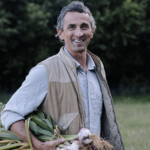 Barnes Edwards
Barnes is an organic mixed farmer, passionate about nature recovery alongside food production and the ecosystem health delivered by this balance. He is a director and co‑owner of The Garlic Farm on the Isle of Wight, volunteers for the local Biosphere Steering Committee and is founder of a community interest company that promotes the regeneration of human and non‑human health.
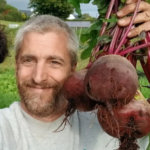 Barry Ferguson
Barry runs Ben Vista CSA supplying veg boxes to families in the Newtownards area of Northern Ireland. Growing food to agroecological principles, the farm is also currently under organic conversion. Barry is part of the Landworkers’ Alliance’s Northern Ireland Organising team and advocates for the growth of the agroecological food systems for local supply chain resilience and sovereignty.
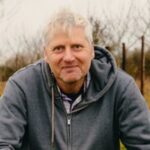 Ben Raskin
Ben has more than 30 years of horticultural and farming experience. For the Soil Association, he leads on their agroforestry work. He also co-ordinates the agroforestry at Eastbrook Farm in Wiltshire, writes books including Silvohorticulture and The Woodchip Handbook, and works as an independent consultant.
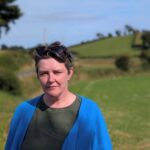 Beth Bell
Beth is Deputy Director at the Food Ethics Council and works across the UK to put people, animals and the planet at the heart of every food decision, strengthen collaboration and empower people to be involved in the food system. She co-founded Carrick Greengrocers, a community-owned grocers which celebrated its third birthday this summer. She is co-chair of Belfast Food Partnership and co-author of The Belfast Way, a sustainable food strategy for the city.
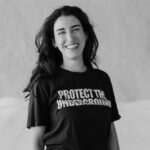 Bethan Manley
Bethan works for the Society for the Protection of Underground Networks (SPUN) as a Computational Biologist, using eDNA sequencing of soil samples to study underground fungal networks all over the world. She began studying these fungi during a PhD at the University of Cambridge, examining Arbuscular Mycorrhizal Fungi and their genetic interactions with crop plants.
 Bilal Hussain
Bilal is Deputy Director of Himmah, a Nottingham charity tackling food poverty since 2011 and running the Midlands’ largest food bank. Bilal has been leading on the opening of a public restaurant, giving people on low incomes a place to eat well with dignity and tackling loneliness by bringing neighbours to the table. A community organiser, Bilal believes food justice means communities holding power and ownership, not just access to emergency aid.
 Bill Knight
Bill is an organic farmer and sustainability consultant who has studied, appraised and worked with more than 80 farm businesses since 2016 and visited many more to observe their operations. Bill specialises in helping smaller agroecological farms and horticultural businesses achieve planning permission for rural workers’ dwellings and infrastructure. He has contributed to local authority supplementary planning guidance for rural development in England and Wales.
 Bonnie Hewson
Bonnie is Director of Farming the Future, a pooled funding collective supporting collaboration for UK agroecological systems change. An advocate for more and better philanthropy in food systems, she serves as a Food Systems Expert for the National Lottery Climate Action Fund Panel. Bonnie began as a local food organiser over 15 years ago and has worked in funding a fairer economy for a decade.
 Brenda Black
Brenda, CEO of Edinburgh Community Food (ECF), is building an ambitious Lothians‑to‑Edinburgh food system rooted in ECF’s five strategic enterprise pillars. She has 30 years’ experience improving children’s access to fruit and veg. Brenda currently leads a growing Leith market serving 7,000+ customers with fair, regenerative supply chains and a four‑model payment system, supported by 16 staff and 60 volunteers.
 Bronagh O’Kane
Bronagh is a beef, sheep & worm farmer in Tyrone, Northern Ireland. A former RAF aircraft technician, she returned home and took on the family farm in 2020. Wetter winters and challenging silty clay soils sparked a shift towards farming with soil health and resilience at its core. She is also part of the GrowIN team, connecting farmers across Northern Ireland to share ideas, experience and practical approaches to farming differently.
 Brigite Rowan
Brigite is a folk singer-songwriter, eco-somatics facilitator and voice guide. Raised off-grid with a close, needs-based relationship to land, her immersive creative practice collaborates closely with sacred sites and the more-than-human world to compose original a cappella music directly from landscape. Active in organising UK land gatherings, Brigite weaves vocal improvisation and deep listening, exploring voice as a vital tool for people to cultivate reciprocal song with place.
 Bryony Graham
Bryony is a fourth-generation farmer in Essex with a PhD in molecular genetics. She is committed to sustainable food production at scale, and in particular to trialling broad and diverse crop rotations. She currently farms 300ha; there, she has implemented 18ha of short rotation coppice willow which, with ADOPT funding, she is trialling producing peat-free compost on-farm.
 Burry Tunkara
Burry is a passionate advocate for social justice, gender equity, and labour rights. President of the Domestic Workers Rights Protection Association (ADDAD Gambia), she leads vital initiatives to secure fair wages, safe working conditions, and legal recognition for domestic workers. Burry is also an active farmer and member of the Global Convergence on the Struggle of Land, Water and Peasant Seeds, where she advocates for smallholder farmers’ rights to land.
 Carlos Mauricio Rojas/Pansy Bbes
Carlos is a queer, non-binary poet, performer, singer/songwriter, community organiser, maintenance gardener, landscaper, food grower, hospitality worker and land trades unionist. Writing between English and Spanish and inspired by their mixed-race Colombian/Welsh heritage, their work contends with grief, suicidal ideation, and connects with the land through medicinal plants. They co-host Fresh Lip open mic and have co-curated and co-organised the Queer Ecologies Festival in South East London.
 Carly Kelleher
With a background in fashion design, business, and retail, Carly is a sustainable fashion advocate, practitioner, and lecturer committed to transforming the industry through community building and education. Whether teaching, hosting a workshop, or collaborating with industry partners, Carly continues to champion a vision of fashion that respects both people and the planet.
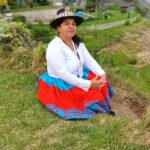 Carmen Rosa Uscata Paredes
Carmen is a Quechua leader from the indigenous community Hualla. In response to climate change, she has spearheaded initiatives for land conservation and reforestation. She has also led initiatives to promote food sovereignty, such as the community seed bank. She is currently a councillor for the District Municipality of Hualla, in the province of Victor Fajardo, Ayacucho region.
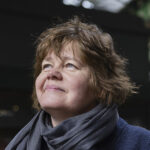 Carolyn Steel
Carolyn is a leading thinker on food and cities. Her award-winning books Hungry City: How Food Shapes Our Lives and Sitopia: How Food Can Save the World established her concept of ‘sitopia’ (food-place) internationally. Carolyn studied architecture at the University of Cambridge and has taught at Cambridge, Wageningen and Slow Food Universities and at the LSE. Carolyn is in worldwide demand as a speaker and her 2009 TEDGlobal talk has received 1.4 million views.
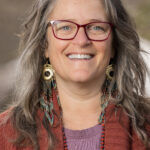 Cassandra Lynn
Cassandra is a founding board member of Sacred Contract, a multicultural coalition that catalyses a healing intervention, transforming private property into Land That Owns Itself and Guardianship Councils. She is co-director of the Center for Ethical Land Transition, nourishing reparative land transitions led by Indigenous and BIPOC communities as well as building movement infrastructure for multigenerational land justice. She lives at Landwell Community in Northern California.
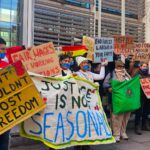 Catherine McAndrew
Catherine coordinates the Landworkers’ Alliance’s Migrant Worker Solidarity Campaign. Catherine’s work includes supporting farm worker movements in the UK, especially the Justice is Not Seasonal campaign initiated by Latin American former farm workers to demand redress for their treatment and the right to work and study for those awaiting a decision by the UK immigration system. Catherine has also supported farm worker unions internationally in Spain, Morocco, Honduras, and the Philippines.
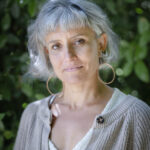 Cécile Duchier
Based in France, Cécile is the Access to Land coordinator, facilitating a European network of grassroots organisations securing land for agroecological farming. Previously, she was a farmer herself, growing cereals, making flour and baking her own bread with a wood-fired oven in her small, remote village near the Alps. Educated as an agronomist, Cécile loves travelling and meeting inspiring people, learning from nature and others, and enjoying healthy food and beautiful landscapes.
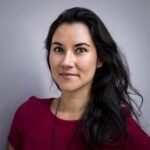 Chantal Wei-Ying Clément
Chantal is a food systems researcher and Senior Programme Manager at the International Panel of Experts on Sustainable Food Systems (IPES-Food). Her work focuses on food system governance, agroecology, digitalisation, and climate. She is also a student of Chinese medicine, with a strong belief in culturally rooted ways of knowing, healing, and relating to the world.
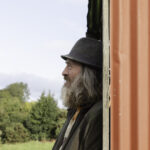 Charlie Mallon
Charlie is the founder of Mallon Linen, growing flax, among other things, at his family farm in County Tyrone. He has built up the processing facilities for retting, breaking and scutching flax. As the movement towards sustainable textile production grows, Charlie has teamed up with 5 others to form the Linen Workers CIC which will fill in the final gaps in the locally grown linen supply chain, offering the opportunity for other farms to get involved in fibre growing and processing.
Charlotte Church
Charlotte is a musician and community builder with a career spanning over 25 years, selling more than 10 million records and performing worldwide. Today, her work centres on creativity, education and nature connection. She founded The Awen Project, a pioneering nature-based education model, and The Dreaming, a Welsh retreat rooted in wellbeing and connection. Her projects span music, podcasting and community, continuing to explore the power of creativity to inspire change.
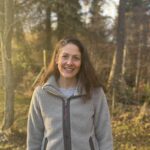 Charlotte Steel
Charlotte is programme manager for the Real Farming Trust’s Loans for Enlightened Agriculture Programme (LEAP) and has worked within the UK agroecology movement since 2012. Her past roles include project management positions for two community farms, as a grant manager for an agroecology fund and on operations, HR and governance at the Landworkers’ Alliance. She is also Chief Executive of the Highland Good Food Partnership and lives near Inverness.
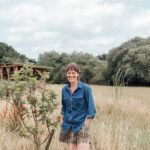 Chloë Dunnett
Chloë is the Founder and Chief Growing Officer of Sitopia Farm, an urban farm and social enterprise in Greenwich, London. Sitopia Farm grows vegetables and flowers using organic, regenerative, and no-till principles and sells direct to its local community and wholesale: Sitopia Farm is on a mission to change the food system. Chloë has also worked as a food policy consultant and as a senior civil servant in central government, and has an MSc in food policy.
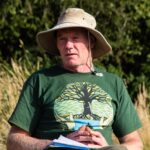 Chris Evans
Chris lives at Applewood Permaculture Centre in Herefordshire. He teaches permaculture in the UK and worldwide, and is a senior-level tutor for apprentices working towards the diploma in applied permaculture design with the Permaculture Association Britain. He has worked in Nepal since 1985, currently with the Himalayan Permaculture Centre. His experience and passion have been creating resource centres that are working demonstrations of applied permaculture as well as training venues.
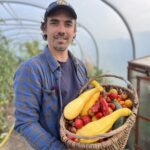 Chris Maughan
Chris is an agroecologist, focussing on farmer and citizen participation in research as a transformative process. Chris uses agroecological practice – whether through soil testing or organisational development processes – as an entry point into collaborative actions towards agroecological transitions.
Chris van Tulleken
Chris is a Professor of Infection and Global Health at University College London, and an infectious diseases doctor at the Hospital for Tropical Diseases in London. He is one of the BBC’s leading broadcasters for children and adults and his work has won two BAFTAs. He is the author of the Sunday Times and New York Times bestseller, Ultra-Processed People.
Chris Walsh
As a Kindling Farm Director, Chris oversees the farm’s future planning and strategy work. Focused on transforming this fledgling farm into an organic flagship for the North West, Chris is working on a range of training and skill-sharing programmes to be run at the farm.
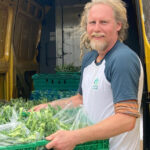 Chris Young
Chris has run Sustain’s Real Bread Campaign since March 2009. He works with the UK’s regional grain networks. As well as lobbying for an Honest Crust Act of better loaf composition, labelling and marketing laws in the UK, he leads initiatives including: Sourdough September, Real Bread Week, Real Bread For All and No Loaf Lost surplus reduction guidance. He’s the author of Slow Dough: Real Bread and The Knead to Know, and is the editor of True Loaf and Baking a Better Tomorrow.
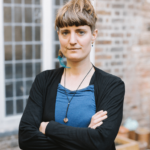 Christabel Buchanan
Christabel has been organising with the land justice movement for five years. She is interested in relationship building, collective care structures and movement strategy, and has experience of researching grassroots food systems and self-governance. She is currently facilitating a movement strategy process for the food, farming and land movements, and is part of a collective working to transfer land to marginalised communities. She is also one of the hosts of the Justice Strand at the ORFC.
Circle Dance
Circle Dance is a record label and DIY fundraising party born in Bridport and based (mostly) at Avalon Cafe in South London. They programme a pastoral mix of short films, talks, live music, DJs and vegan food, including psychedelic jazz recorder, European folk choirs, modular trombone, electrified old-time fiddle and heavy chugging live electronica. Circle Dance has fundraised for organisations including the LWA and the Right to Roam campaign, as well as for Gaza relief organisations.
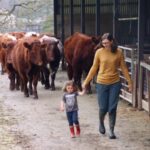 Claire Beaumont
Claire is an engineer turned regenerative farmer based at Gowbarrow Hall Farm in the Lake District. She transitioned her family’s upland farm from traditional sheep farming to a nature-friendly system using native cattle and adaptive grazing. A founder of Parnassus Lake District Leather, Claire works to restore local soil health, boost biodiversity, and promote sustainable, low-input livestock production.
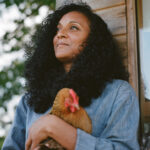 Claire Ratinon
Claire is a food grower, writer and organiser with Solidarity Across Land Trades (SALT). SALT is a grassroots trade union for workers who are employed by others in land-related trades that is organising for fairer working conditions, pay and cultures within our sectors.
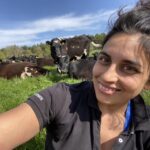 Claire Whittle
Claire is a farm veterinary surgeon, new entrant farmer, and founder of veterinary consultancy ‘The Regenerative Vet’ based in North Wales. A Nuffield Farming Scholar with a Postgraduate Certificate in Conservation Medicine, she focuses on agroecological farming, animal welfare, and ecosystem health. Managing an upland farm using native cattle, she works to bridge veterinary science and natural farm practices while advocating for dung beetle conservation.
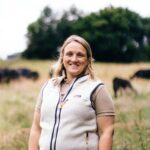 Clare Hill
Clare’s career spans animal welfare, farmer relationships, and major food brands. She led the regenerative transition of a 1,200-acre Oxfordshire farm, then moved to Planton Farm to integrate livestock and agroforestry. Planton is home to ‘Ultimate Chicken’, a venture exploring how to produce deeply regenerative chicken. She co-founded and runs the mentoring programme ‘Roots to Regeneration’, supporting farmers and food professionals through transition.
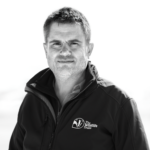 Craig Bennett
Craig is CEO of The Wildlife Trusts and one of the country’s top environmental campaigners. Awarded an OBE for services to the environment in 2026, he is passionate about empowering communities and delivering landscape-scale nature recovery and climate adaptation. He sees sustainable farming as a core part of this, championing solutions that protect our soils, prevent flooding, and improve people’s physical and mental health.
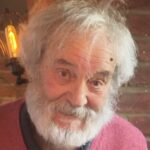 Colin Tudge
Colin is a biologist by education and a writer by trade. He has worked for the former World Medicine magazine, Farmers Weekly and the New Scientist, and for several years presented science programmes on BBC Radio 3. He is author of around 17 books on evolution, conservation, genetics, taxonomy, and ecology, and half a dozen or so on food and farming. Co-founder of the Real Farming Trust and the Oxford Real Farming Conference, he now hosts a blog on the need for a new Renaissance.
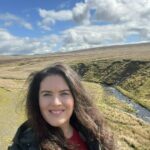 Cora Cooper
Cora is a Scottish first-generation hill farmer, chair of Women in Agriculture Scotland, and co-owner of a 5,000-acre sheep farm in East Ayrshire. A Glasgow law graduate, she transitioned from a career in PR and legal studies to build one of Great Britain’s lowest-input, nature-friendly livestock systems using adaptive grazing. Named Farmers Weekly Sheep Farmer of the Year, she advocates for peatland restoration, biodiversity, and women in rural enterprise.
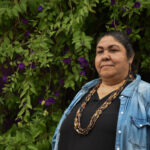 Corrina Gould
Corrina (Tribal Chair for the Confederated Villages of Lisjan Nation) was born and raised in Oakland, CA. She is the Co-Founder and Co-Director of the Sogorea Te’ Land Trust, an urban Indigenous women-led organisation within her ancestral territory. Through the practices of rematriation, cultural revitalisation, and land restoration, they call on Native and non-Native peoples to heal and transform legacies of colonisation.
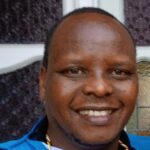 Dalmas Tiampati
Dalmas is a Maasai pastoralist, activist and founder of the Maasai Center for Regenerative Pastoralism (MCRP) in Kajiado County, Kenya. Following the devastating 2013 drought that wiped out most of his cattle, he was inspired to strengthen pastoralist resilience and restore rangelands. Drawing on Indigenous Maasai knowledge and traditional land stewardship, he champions climate resilience, biodiversity conservation, Maasai culture and the relationship between people, livestock and land.
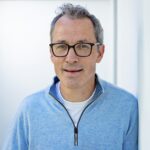 Dan Crossley
Dan is Executive Director at the Food Ethics Council, a registered charity bringing people and organisations together to galvanise fair and resilient food systems. Dan has worked on food sustainability issues for around 20 years, leading work on a range of issues, including our relationship with meat, tackling household food insecurity and power dynamics in the food system.
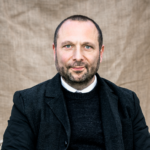 Dan Saladino
Dan is an author, journalist and forager of endangered food stories. Through his work with BBC Radio 4’s Food Programme and his book Eating to Extinction, he travels the world uncovering remarkable foods, farmers and communities protecting agricultural diversity. His stories reveal the fragility of our food system while celebrating the people preserving its richness – and showing how the foods we eat can help shape a more diverse, resilient future.
 Daniel Stanley
Daniel is Executive Director of Future Narratives Lab, a non-profit research & development institute based in the UK that focuses on building the collective political power of civil society. He previously worked in grassroots community organising and digital mobilisation, and studied social psychology, all contributing to a specific interest in the means and methods by which collective political bodies attempt to appeal to and shape cultural identities.
 Darina Allen
Darina is co-founder of Ballymaloe Cookery School and Ballymaloe Organic Farm School in East Cork, Ireland – a sustainable, biodiverse farm-to-table project where students from all over the world come to hone culinary skills. Darina is also a founder member of the Irish Farmers’ Market Movement, East Cork Slow Food Convivia Leader, Chair of Artisan Food Forum and Farming for Nature Ambassador, and author of 21 bestselling cookbooks.
 Dav Shand
Dav works at Lauriston Farm, a 100-acre farm in North West Edinburgh. He is a founding member of Edinburgh Agroecology Co-op (EAC) who run the farm. EAC is a Community Interest Company and a workers’ cooperative. He was a founding member of Taybank Growers Co-op, a market garden in Perthshire, where he previously worked. Additionally he is a director of Rhyze Mushroom Co-op who are also based at Lauriston Farm. Dav is a first-generation farmer with a working-class Edinburgh background.
 David Newman
David and his partner Tracy own Bucksum, a market garden in Long Crendon, Buckinghamshire. They are 2024 Winners of the Caroline Drummond Award and Soil Farmers of the year 2024. They bring over 20 years of experience, and a passion to bring greater food security through local food for local communities. They are the initiators of the Grow More Growers project, a demonstration pilot developing Market Gardens within local farms and providing training mentoring and a Basic Income to new entrant growers.
 David Wolfe
David is an environmental lawyer and co-owner of Wakelyns Farm. Under David’s stewardship, Wakelyns has developed into a pioneering site featuring diversity in all its forms. In his legal work as a barrister, David specialises in helping NGOs and campaigners with public interest legal claims, often relating to the climate or nature crises.
Screenshot
Dawn Dublin
Dawn is a cultural and social entrepreneur working across food sovereignty, Afroecology, cultural placemaking and place-keeping, and community welfare. Her work builds resilient, community-led responses to structural inequity that honour heritage, strengthen collective wellbeing and reimagine food systems. She serves in leadership roles within the African & Caribbean Heritage Food Network, Black Butterfly and Joyful Roots, and Better Food Traders.
Dayanna Palmar Uriana
Dayanna is a Wayuu Indigenous lawyer, journalist, human rights advocate, and PhD researcher at Heriot-Watt University, where her research examines energy transitions and climate justice in Indigenous territories, with a focus on La Guajira, Colombia. She has more than five years of experience working on Indigenous rights, climate justice, civic space and environmental governance across Latin America, including the Amazon region.
 Debal Deb
Debal is a biologist with a doctorate in ecology from Calcutta University. In 1996, Deb founded Vrihi, South Asia’s largest rice seed bank for free distribution, currently conserving 1480 folk rice varieties. His research in agroecology, crop genetic diversity and ecological economics has been published in international journals, and his book Beyond Developmentality: Constructing Inclusive Freedom and Sustainability is an acclaimed contribution to ecological economics and developmental studies.
 Debbie Clarke
Debbie has spent most of her working life at Manchester’s Unicorn Grocery, a worker-owned supermarket connecting thousands of regular customers with affordable, fresh and wholesome food, sourced with values. She combines shop duties with roles in comms, outreach and solidarity. Driven by a belief in worker control as a radical but pragmatic response to the ills of capitalism, she also helped found workers.coop – the UK’s federation of worker co-ops.
 Debbie Tripley
Debbie is Global Director of Campaigns and Policy Advocacy at Compassion in World Farming. She leads international campaigns to improve farmed animal welfare and drive food systems transformation. Previously, she spent eight years as Director of Advocacy and Policy at WWF UK, leading work on climate, nature, oceans and agriculture. A qualified barrister and solicitor, she has over 20 years’ experience in environmental, conservation and human rights advocacy and law.
 Debbie Wilkins
Debbie farms at Norton Court Farm in Gloucestershire, managing a mixed enterprise of dairy, beef, and arable. The farm is in the early stages of integrating horticultural production into its mixed system via a newly established Community Interest Company. Infrastructure is being established to support a market garden, allotments and community growing space on a 3-acre former arable field with plans to expand, including through agroforestry, while staying small scale.
 Dee Woods
Dee is a powerhouse in the UK and global food sovereignty movement: a multi-award-winning community cook, food grower, researcher, policy advocate, co-founder of Granville Community Kitchen and Farm Hub, and the African & Caribbean Heritage Food Network in London.
Diz Undone
Musician, rapper and poet Diz brings rhythm, wit and urgency to the stories that matter. His work as one of ten Hot Poets collaborating on We Feed The UK has made him an unofficial Bard for the humble seed. Blending spoken word, hip-hop and social commentary, Diz uses poetry to connect big ideas with everyday life – celebrating the people and communities working to protect a more diverse and resilient future.
 Dominic Amos
Dominic is a research agronomist specialising in on-farm participatory trials with a research institute, an organic grain marketer and a grain and seed merchant. His focus is arable systems, crop varieties, tillage and soils. He is a lead researcher on the living mulch trials investigating the potential of organic no-till in the UK.
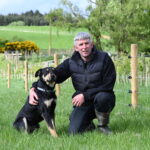 Duncan Bennett
Duncan is a regenerative upland beef and sheep farmer from the Shropshire hills. His 160-acre family farm on the Shropshire hills operates a grass-based system.
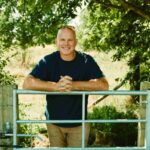 Eddie Rixon
Eddie is the current steward of Lopemede Farm in Thame, Oxfordshire and is a fourth-generation organic regenerative beef and sheep farmer, building natural capital for a better future and collaborating with businesses to enable nature connection. In 2025, Eddie started Future Oaks CIC at the farm, to cultivate connection with food, farming and nature, and to empower children to make informed decisions that positively impact climate, biodiversity, food, and the health of all.
 Edu H. Nualart
Edu is a farmer and activist from the Catalan countryside and a member of the European Coordination of La Via Campesina. He spent the last 10 years living in Amsterdam, where he was involved with grassroots collectives such as ASEED and Toekomstboeren and ran the PLUK CSA farm on the outskirts of the city. Edu recently moved back to Catalonia and is currently farming with the agroecological Ortiga Cooperative.
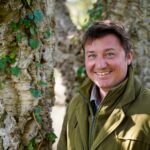 Edward Cutler
Edward is a British-Italian writer, organic farmer and environmental advocate based between Rome and southern Tuscany. He co-founded the Tuscany Environment Foundation and works on conservation and rewilding projects across Italy. He also directs the Biodiversity and Business Sustainability programme at EIIS in Rome. His first book, This Beautiful Country, explores how Italy’s natural history has shaped its culture and civilisation.
Edwin Gardener
Edwin is an organic vegetable grower and conservation grazing stockman. He’s the founder of both 5-hectare Hampshire market garden Ed’s Veg and Lynchmere Cow Club, a member-led lowland heath conservation grazing project and beef CSA. He is an active member of the Landworkers’ Alliance and works with La Via Campesina internationally on agroecology, peasants’ rights and international solidarity. He also has a band called The Burning Glass who play infrequent but hugely enjoyable gigs.
 Eleanor Hooper
Eleanor is a Sheffield-based singer, composer and director working across vocal improvisation, devised theatre and outdoor installation. Her recent Yorkshire Sound Women Network commission explored composing with the land, blending plant bio-sonification, field recordings and voice at Wet Withins Stone Circle. She co-directs Pif-Paf, creating outdoor performance and interactive sound and light sculptures, and leads singing and forest bathing sessions.
 Elise Wach
Elise works towards food systems that are ecologically regenerative, socially just and democratic. She leads DISHED, a project researching and testing publicly-funded restaurants, exploring how they could serve meals that are affordable, delicious, and produced sustainably and ethically. She is also a community grower and recently co-founded a kitchen garden at a primary school in South Devon.
 Ellen Pearce
Ellen coordinates the Northern Food and Farming collaborative which supports a shift to agroecological farming and food systems in the North of England. She is based in North Lancashire and coordinates food economy projects, including a market garden, FarmStart training programme and a community farm.
 Elsa Kent
Elsa, who is absolutely nuts about nuts, is creative director at Glastonbury Nut Farm, where the ADOPT trial ‘Mechanising UK Nut Harvesting for Scalable Agroforestry’ is being developed. She is the filmmaker behind The Nut Farmer of Glastonbury and an impact producer for Six Inches of Soil. She’s spent years in Kenya working in ecology and food systems and starting an environmental festival. In 2021 she rode 1,200 miles on horseback, raising funds for environmental education.
 Ember Checkley
Ember is an ecologist, biodiversity specialist and poultry breeder based in South Devon. Drawing upon her experience and background in conserving rare species, her attention is now fixed on the importance of conserving rare and native poultry breeds, and their interface with thriving natural landscapes and resilient communities.
 Emily Norton
Emily is a farmer, strategic adviser and non-executive director with expertise in agriculture, food systems and climate. She is Chair of the Agriculture and Horticulture Development Board and a Member of the Climate Change Committee. Previously Director and Head of Rural Research at Savills, she has advised DEFRA and investors on land use, natural capital and net zero. She was Policy Champion for Land, Agriculture and Carbon for the AFN+ Network and has convened cross-sector initiatives.
 Emma Bowen
Emma is a grower at Kirkstall Valley Farm, an urban Community Supported Agriculture project in Leeds which produces year-round veg boxes working on agroecological principles. She is a strong believer in the power of food to bring people together, and over the past five years has been working on building a community around KVF through volunteer sessions, events and a reading group. She is also a freelance gardener teaching primary school children to grow and sell their own produce.
 Emma Chow
Emma is the Lead of the recently launched Food & Farming Funders Group (FFFG), hosted by the Environmental Funders Network. The FFFG aims to enable more efficient, collaborative, and strategic grantmaking for sustainable food and farming in the UK. She brings a background in food systems, regenerative design, and facilitation, and formerly led the Ellen MacArthur Foundation’s global Food Initiative. Originally from Canada, Emma lives in Rye, East Sussex.
 Emma Dearnaley
Emma is a lawyer with broad experience from a decade as a litigator at a global law firm, plus diverse leadership, legal, policy and advisory roles in government and non-profits. Emma has expertise in strategic litigation and using the law as a tool for change and accountability, with focus on finding ambitious and fair solutions to the climate and environmental crises. Emma is now on a mission to rescue our rivers as Head of Legal at River Action.
 Emma Fitchett
Emma is a plant spirit healer, herbalist, teacher and author whose work explores the conscious intelligence of plants, interspecies communication and the spiritual relationship between humans and the living world. She brings together Celtic and British Isles wisdom traditions, healing practices and experiential approaches to connecting with plants and trees. She is the author of Journeys With Plant Spirits.
 Emmanuel Junior Zuza
Emmanuel is a transdisciplinary researcher at the Royal Agricultural University and a Sustainability and Sourcing Consultant for the FairWild Foundation. His research focuses on sustainable agriculture, ethical supply chains and food systems transformation. A passionate champion of farmer-centric research and indigenous knowledge, Emmanuel sees farmers as co-creators of knowledge rather than recipients of it.
Ercilia Sahores
Ercilia is the co-founder of Regeneration International. She is a dedicated community organiser, focusing on grassroots food systems in Latin America.
 Esther Xosei
Esther is a reparations scholar, activist and researcher, Pan-Afrikan Internationalist Jurisconsult and Interfaith Minister with over twenty-five years of grassroots organising in the International Social Movement for Afrikan Reparations. She is also Executive Director of the Maangamizi Educational Trust (M.E.T) and Stop the Maangamizi.
 Eve Rogers
Eve is Managing Director at GROW, an agroecological farm and education charity partnered with The Totteridge Academy in Barnet. After nine years in restaurants, she is driven by how local food projects can create regenerative change for the environment and communities. GROW grows food for the school and community, and supports thousands of local residents each year through education and community projects, prioritising those facing barriers to learning, wellbeing and the outdoors.
Fabia Bromovsky
Fabia is Executive Director of the Sustainable Food Trust (SFT). She has led the Global Farm Metric, a common framework for understanding and measuring farm sustainability that has been trialled in 13 countries across the world. She oversees all of SFT’s work including the Beacon Farms Network, the CLEAR coalition and their work with Regen10.
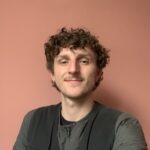 Felix Sagar
Felix is a director of MudMasons, a not-for-profit community interest company bridging architecture and spiritual ecology. MudMasons works with organisations, groups and individuals to explore how objects, spaces and landscapes can support social, cultural and ecological change, reconnecting people with place and the more-than-human world. He is particularly interested in stone as an architectural material, an ecological accelerator, and its influence on human consciousness.
 Ferdinand Wafula
Agroecology practitioner and trainer at Bio Gardening Innovations (BIOGI), Ferdinand is based in Vihiga Western Kenya. He has supported farmer trainings and adoption of biological inputs successfully since 2018, and links with other development networks in Kenya, including the Alliance for Food Sovereignty in Africa (AFSA). BIOGI is among 15 centres partnering with AFSA to implement a Healthy Soils Healthy Food research approach, with bio-inputs as a key component of climate resilience.
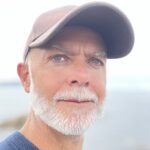 ffinlo Costain
ffinlo is the editor and producer of 8point9.com and the Farm Gate podcast, and co-founder of the Conference on Food & National Security. Previously, as Chief Executive of Farmwel he gave evidence to UK parliamentary committees and advised ministers and the Committee on Climate Change on the role of agricultural climate gases. His TEDx Talk, ‘We can’t solve the climate crisis without cows‘, remains popular with regenerative farmers and innovators.
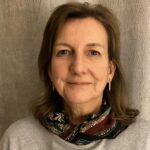 Fiona Daley
Transitioning to a regenerative approach to farming in 2018, Fiona and husband Dave aim to produce nutrient-dense, slow-matured Belted Galloway beef. They use the cattle to control 65 acres of bracken on their 150-acre farm in the Lake District and work with Innovative Farmers to help build an evidence base. Their approach has also focused on supporting protected species of invertebrates, allowing cattle access to tree browse and developing a financially and ecologically sustainable business.
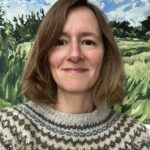 Florence Miller
Florence has worked on environmental issues in the UK and US throughout her career, and currently supports funders and social movements through The Hour is Late. As Director of the Environmental Funders Network for 12 years, she helped foster significant growth in environmental philanthropy from UK trusts and donors, and worked to support their improved effectiveness. She is co-chair of Earth Percent and a trustee of Gower Street and Hedgerley Wood Trust.
 Franklin Scrase
Franklin is a member of Tyddyn Teg, a community owned and worker-managed cooperative, growing vegetables and baking bread for the local community near Caernarfon, North Wales. The Tyddyn Teg model of non-hierarchical management has proven flexible, resilient and adaptable, offering workers full participation in an ambitious enterprise.
 Freddie Wall
Freddie is an Associate with Shared Assets and a Non Executive Director of Landmatch England CIC. They work as a facilitator, research and organiser within the land justice movement in England and are particularly interested in working with landowners to share, gift and transfer land into more collective forms of ownership. Freddie is completing a PhD on the role of emotions in racial justice organising in the land justice movement and shares their findings at www.attheroot.org.
Gaina Dunsire
Gaina is a teacher, facilitator and co-founder of Barleybird CIC (a not-for-profit ‘sister’ to Hodmedods), which aims to build understanding and engagement around agroecology and food system change. She studied at Schumacher College and has 14 years of experience designing projects, workshops, courses and events. She is currently facilitating the East Anglian Grain Alliance, working with diaspora communities, and writing an agroecology course for the general public.
Gareth Morgan
Gareth’s passion for food, growing and nature started early, and he’s now lucky enough to combine these interests in his role as Head of Landuse and Farming Policy at the Soil Association. Previously he worked as a policy advocate at the RSPB, English Nature and at the Wildlife Trusts, and he pursues these things outside work on his allotment, in his kitchen and with the Bath Organic Group.
 Gary McErlain
Gary is a seventh-generation commercial Lough Neagh fisherman of over 37 years’ experience, and a very real example of: ‘Find a job you love and you’ll never work a day of your life!’ Gary has sat on the Management Committee of the Lough Neagh Fishermen’s Co-operative since 2016. In 2017, he became an official, voluntary Lough Neagh Ambassador (for Lough Neagh Partnership and three councils), and a qualified tour guide. He became Chair of the Lough Neagh Partnership in March 2024.
 Gemma Lane
Gemma is Land Use Policy Manager at The Wildlife Trusts, where she leads policy work on farming, food and land use, helping to develop solutions that support both nature recovery and sustainable food production. She also brings practical farming experience from her time as a shepherd, providing first-hand insight into the opportunities and challenges facing farmers and land managers.
 George Bennett
George of Sandy Lane Farm is an organic farmer, a passionate advocate for sustainable agricultural practices, and a leading voice in the movement towards a more environmentally conscious food system. As a key member of the team behind veg box software platform GrowingGood, George combines traditional farming wisdom with innovative techniques to promote local food economy and regenerative agriculture that nurtures both the land and the community.
 George Simons
George is Programme Lead on the Grow More Growers pilot, building local food security and shaping national policy for an inclusive, climate-resilient future. As Programme Director at Future Oaks CIC, Lopemede Farm, he regenerates connections to food, farming and nature. Through Wyrd Futures, he guides teams outside to sense, imagine and make futures with the living world. A former film and digital creative producer, he weaves creativity and nature connection so all life thrives.
 Georgia Greenfield
Georgia is Lead Grower at Five Acre Community Farm near Coventry, and has 4 years of growing experience. They have a big interest in community and all the skills it requires. They are also obsessed with wool.
 Georgie Bray
Georgie has managed The Royal Society for the Protection of Birds’ Hope Farm since 2018. The farm has trialled nature-friendly farming techniques for 25 years, aiming to increase biodiversity through habitat creation and sustainable crop husbandry on a productive arable farm, using evidence to inform decisions. She is BASIS qualified in Crop Protection and has a Masters in Zoology. She grew up on her family’s farm, where she lives and helps with conservation, diversification and managing grants.
 Giovanni Bargnesi
Giovanni is a senior executive and legal sciences expert with over 30 years’ experience in organic agriculture and sustainability. He currently serves as General Director of POLYCULTURAE, an Italian association of agricultural producers dedicated to protecting agrobiodiversity and agro-ecosystems. He also manages the participatory agrobiodiversity project ‘BIODIVERSITAS’ in close collaboration with Una Garlanda, a pioneer of agroforestry in rice cultivation in Europe.
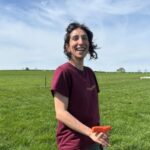 Giulia Kessous
Giulia is an Assistant Researcher in Crops and Agronomy at the Organic Research Centre and a member of the Yorkshire Grain Alliance.
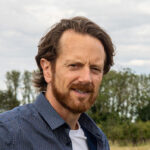 Glenn Anderson
Glenn is a fifth-generation farmer and the driving force behind the 2,000-acre Wendling Beck Project in Norfolk, a privately financed, farmer-led initiative restoring nature while delivering biodiversity, carbon storage, natural flood management and regenerative farming. He is a director of Swallowtail Consulting and Chair of The Wash Landscape Recovery project, advancing ambitious, landscape-scale approaches to land-use change.
 Guy Standing
Guy is a British economist and Professor of Economics at SOAS University of London. He is a co-founder of the Basic Income Earth Network (BIEN) and has written extensively on economic insecurity, inequality, labour markets and the changing nature of work. His books include The Precariat, Basic Income and The Blue Commons. He is a leading advocate of basic income and has contributed significantly to contemporary debates about economic security, citizenship and social justice.
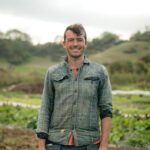 Hamish Evans
Hamish is a co-founder of Middle Ground Growers in Bath and We Are Avon, a bioregional regeneration society for the Avon catchment. A grower, permaculture designer and facilitator, he also runs EarthCare, supporting farms in their regenerative shift. He researches and writes on farm clusters and collaborative agroecology. Hamish is passionate about perennial crops and polycultures and has trialled these across multiple market garden contexts, focusing on efficiency and commercial viability.
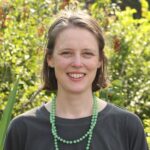 Hannah Gibbs
Hannah leads Sustain’s work on Fair Supply Chains and until recently ran the organisation’s Bridging the Gap programme piloting ways to increase access to organic fruit and veg. Hannah has a background leading international development programmes, community building activities and campaigns for socially responsible business.
 Hannah Gosnell
Hannah is a Professor of Geography at Oregon State University whose work explores the inner and outer dimensions of social-ecological transformation, with a focus on regenerative agriculture. She examines the values, relational worldviews and shifts in consciousness that shape how farmers and ranchers engage with land, food and the more-than-human world. She is a Nova Institute Scholar and was a Coordinating Lead Author of the IPBES Transformative Change Assessment.
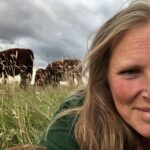 Hannah Thorogood
Hannah farms The Inkpot Organic Farm, is a regional manager for Pasture for Life and has been teaching permaculture and regenerative agriculture for 20 years. Her teachings and consultancy have helped both countless people to set off on their journeys into farming and existing farmers to renew and refocus on what they want whilst improving their productivity, biodiversity and human connections.
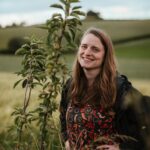 Harriet Bell
Harriet is Regenerative Farming Lead at national organic doorstep delivery company, Riverford Organic Farmers. She’s a bit obsessed with farming through climate catastrophe and finding practical solutions for the challenges that presents.
Harrison Fannon
Harrison runs Worthy Earth alongside brother Lawrence and friend Cody Moir. Since 2020, they have built over ten no-dig market gardens, carving out a niche by maintaining kitchen gardens at some of the UK’s top estates. They also grow for the wholesale market in Oxford via the Oxfarmtofork programme, provide horticultural education to children, and run their own biennial festival. They use techniques such as polyculture planting and growing perennial vegetables for climate resilience.
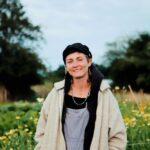 Harry Dyer
Harry is the co-founder of SHRUB, a British seasonal greengrocer specialising in routes to market for small-scale market gardens into the restaurant industry. Six years on, SHRUB now works with 65 farms across the UK and supplies some of the best restaurants in the country, bridging the gap between farmers and chefs.
Helen Bowkett
Helen is a Cornish hedger, educator, permaculture designer and founder of Landwise Collective CIC, exploring regenerative land management, rural skills, nature connection and transformative education. A former co-founder of the Cornwall Rural Education and Skills Trust (CREST), Helen has spent many years exploring how craft, community and ecological knowledge reconnect us with place. Her work is rooted in deep time, listening to land and landscape, and intuiting how we might respond.
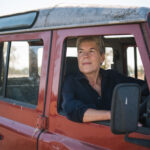 Helen Browning
Helen farms on an organic farm in Wiltshire with dairy, beef, pigs, cereals, agroforestry and small-scale horticulture. She has been Chief Executive of the Soil Association since 2011. She is a Commissioner and trustee of the Food Farming and Countryside Commission and has worked on projects across agri-politics over the years, including the Government’s Policy Commission on the Future of Farming and Food (‘the Curry Commission’). Helen was awarded an OBE in 1998 for her services to organic farming.
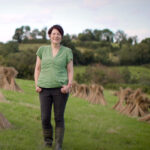 Helen Keys
Helen is a Director of the Growing Innovation Network CIC working with a small team supporting farmers driving change. She and husband Charlie established Mallon Linen, growing flax and processing it into fibre. They have joined forces with a range of other flax and linen enthusiasts to establish the Linen Workers CIC which will fill in the last gaps in the linen supply chain.
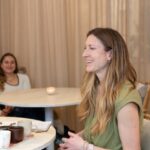 Helen Russell Brown
Helen is an artist, academic, and consultant working at the intersection of food, sensory experience, and ecology. Her practice explores how food shapes relationships between self, others, and the natural environment, with a focus on cultivating connections to food origins. She holds an MA (Hons) in Food & Development and uses sensory edible artworks to explore the entangled dynamics of consumption, culture, care, and climate.
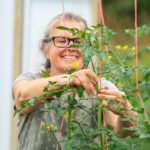 Helen Woodcock
Helen is the co-founder of Kindling Farm – a unique agroforestry fruit and veg farm just outside of Liverpool. Her day-to-day role on the farm is fundraising, financial management and business development – as well as harvesting strawberries and courgettes!
Helena Attlee
Helena is a bestselling author whose work explores Italy through landscape, food and culture. Her books include The Land Where Lemons Grow – winner of the Guild of Food Writers’ Book of the Year – Lev’s Violin, and The Fire in the Mountain: Sicily, Etna and Her People. All three were selected as BBC Radio 4 Books of the Week. She also teaches creative writing in Britain and abroad.
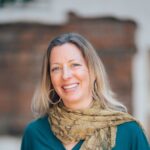 Heloise Balme
Heloise is CEO of Bristol Food Network, a community interest company that coordinates the Bristol Good Food 2030 Partnership, bringing together over 130 partners across the public, private and third sectors, collaborating to make Bristol’s food system better for communities, climate and nature. Bristol Food Network coordinates work on Bristol Good Food 2030 Framework for Action, including action to improve public sector food via a Procurement Working Group and Action Plan.
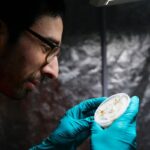 Henry Jephson
Henry is head of research at Bristol Fungarium, where his work centres on cloning local mushroom strains. His approach is built around native genetics: foraging for interesting species, bringing them back to the farm’s lab and cloning them on agar before fruiting them on blocks made with sustainably sourced sawdust and organic wheat bran. His discovery of a rare wild lion’s mane during lockdown made national news.
 Holly Purdey
Holly is a tenant farmer on Exmoor who supports the work of the Nature Friendly Farming Network as Vice Chair for England. She is a Trustee for Somerset Wildlife Trust. Her farm is majority cattle and sheep alongside fruit trees and pastured poultry. The farm delivers educational sessions for schools and community groups, and also supports a CSA vegetable field. Holly is a dairy farmer’s daughter. She previously worked in conservation before returning to full-time farming in 2016.
 Holly Silvester
Holly is a commercial vegetable and seed grower, based at East Neuk Market Garden in Fife. She works part-time for the Gaia Foundation’s Seed Sovereignty Programme as Future Resilience Seed Coordinator, facilitating the programme’s Crowd Breeding Network – a crowd of growers collectively stewarding adaptive populations of delicious, climate-resilient crops – and inspiring others to explore the radical possibilities of seed.
Hugh Fearnley-Whittingstall
Hugh is an award-winning writer and broadcaster known for his uncompromising commitment to seasonal, ethically produced food and his concern for the environment. He has earned a huge following through his River Cottage TV series and books, as well as campaigning documentary series such as Hugh’s Fish Fight, Hugh’s War on Waste, and Britain’s Fat Fight. River Cottage Reunited aired in June 2022 and Hugh’s latest book High Fibre Heroes was published in May 2026.
 HyoJin Park
HyoJin is a Korean storyteller and strategist based in London. She straddles the messy space between activism and journalism, and leads the Press Programme at A Growing Culture, a communication organisation in service of food sovereignty movements across the world.
Idman Abdurahaman
Idman is a Black feminist organiser and educator. She co-runs Earth Tenders which is a black-led nature connection and community gardening project based in South London. They are responding to the collective call for BPOC-led and affirming spaces within earth practices.
Isabella Dalla Ragione
Isabella is an agronomist and leading expert on Italy’s historic fruit varieties and agricultural biodiversity. She is founder and president of Fondazione Archeologia Arborea, which conserves rare and ancient fruit trees in Umbria. She has worked on biodiversity projects across Italy and internationally, and serves on scientific committees linked to the University of Perugia, Bioversity International and the FAO. In 2017 she received the Nonino Risit d’Aur Award.
 Israh Goodall
Israh is a midwife, wilderness expedition leader, somatic coach and rites of passage facilitator whose work explores the transformative relationship between people and the natural world. As a co-founder of the Centre For Rites of Passage, she supports women and young people through significant life transitions, deepening their connection to nature, and rediscovering belonging through wilderness experiences, embodied awareness and traditional rites of passage.
 Jack Peppiatt
Jack currently works part-time for the Gaia Foundation’s Seed Sovereignty Programme, having previously spent three seasons exploring annual polycultures, agroforestry, and perennial vegetables at Birch Farm in North Devon. He spent last season growing at the Wolves Lane Centre, exploring community food growing, urban seed saving, and breeding climate-adaptive plant populations. He also works closely with Tomorrow’s Kitchen, a CIC helping chefs play their role in food system transition.
 Jackie Gallant
Jackie is the Director of Programs at the NYU More-Than-Human Life (MOTH) Program, an interdisciplinary initiative advancing the rights and well-being of humans, non-humans, and the web of life that sustains us all. She is also an attorney and an adjunct professor of law at NYU Law. Jackie develops and advances legal actions, advocacy, and research designed to bring the more-than-human world into the ambit of legal, moral, and cultural concern.
 Jackie Turner
Jackie is an independent filmmaker and visual storyteller. She is also the Communications Manager at TABLE. She once spent a month living on a banana plantation in Central America and that experience changed her relationship with food forever. Since then she has been using her visual storytelling skills to help articulate a better future for food. She may sometimes be found holding a head of broccoli as a microphone.
Jade Begay
Jade is Head of Content and Community at Indigenous House, an Indigenous- and female-owned media company. Previously, she co-founded EJ Agency, helping direct nearly $100M in climate and infrastructure funding to Tribal, Indigenous, and frontline communities. She served on the first White House Environmental Justice Advisory Council and as Native American Engagement Director for the Harris–Walz campaign. Her work bridges policy, advocacy, organising, and storytelling.
 Jake Waller
Jake is the Dairy Farm Manager at Botton Village in the North York Moors where they milk 30 organic dairy shorthorns and provide working opportunities for adults with learning disabilities. Jake also combines his journalism background with farming in his self-published magazine, Village Green Magazine.
 James Beecher
James is the Manager of the Real Farming Trust’s Twinning Programme, which pairs agroecological farms with social justice organisations such as food banks and migrant support initiatives in nearby urban areas. James lives in Stroud, where he grew up and has been active in many community initiatives, including Community Solidarity Stroud District, which works to oppose the hatred of minorities and oppressed people arising from false and harmful information.
 James Riley
James is a Research Fellow at the Royal Agricultural University, working on public engagement, governance and responsible innovation in cellular agriculture. His research sits across science and technology studies, science communication and public participation, with a particular interest in how emerging technologies are framed, contested and governed.
 James Shorten
James has been a planner for over 30 years wrestling with the planning system’s difficulties in engaging with rural areas, sustainable development, nature and climate, small farms and intentional communities. He is the main author of the Welsh Government’s One Planet Development guidance and a founder of Bowden Pillars Future, where a 124-acre farm is being transitioned to nature recovery, agroecological farming and a 50-home regenerative community.
 Jamie Feilden
Jamie is the founder and Co-CEO of an expanding charity transforming the lives of vulnerable children through farming, family and therapy. Responsible for the charity’s strategic direction across its seven livestock farms, he is passionate about regenerative farming across all operations. He is committed to giving as many children as possible the chance to experience the transformative impact of the farms.
 Jan McCourt
Jan’s career spans a range of connected experiences, ranging from international investment banking and regenerative farming of rare and native British breeds, to direct and online sales of a fully vertically integrated farming, butchery and retail sales business, specialising in artisan skills and high-profile produce markets. Jan has acted as an advisor to a wide range of businesses in these and other sectors. His principal business, Northfield Farm, epitomises a modern, diverse family farm.
 Jane Acton
Jane was born in Wigan from three generations of single motherhood. Raised by feminist, nature-loving trade unionists and a great-grandmother street-herbalist, it’s not surprising Jane now grows plants and sells products made with them. Her social enterprise – natural farm Common Flora – harnesses community power on a small site in Devon where marginalised and local people share plant and land learning. Jane is a founder member of the new Landworkers Alliance Working Class Members group.
 Jayne Arnold
Jayne is co-founder of Oxton Organics, a 5-hectare organic smallholding in Worcestershire. In recent years, she has carried out more experimental methods of growing with the aim of building plant health, soil health and biodiversity in the market garden. Keeping the land green as much as possible has led to many trials of under-sowing crops with diverse mixes and living pathways. She saves seed to ensure crops are increasingly adapting to growing amongst such diversity.
 Jean Thevenot
Jean is a young farmer in the Basque Country producing organic seedlings. He belongs to the French farmers’ union Confédération Paysanne which is a member organisation of the international farmers’ movement La Via Campesina. He mostly works on the European and International level with the European Coordination of La Via Campesina – ECVC.
 Jean-Baptiste Cavalier
As a French agronomist, Jean-Baptiste worked for several years in agricultural development and international solidarity. In 2012, he decided to dedicate himself to generational renewal in agriculture and became the first employee of RENETA (the French National Network of Farm Incubators), where he now serves as national coordinator. Over the past 14 years, he has supported the development of farm incubators, both in France and elsewhere in Europe.
 Jen Hunter
Jen is a regenerative eco-farmer who focuses on multi-purpose sheep genetics and blade shearing. She runs specialist fibre events and wool school, shearing events which welcome new entrants and student placements to help supply traceable, single origin, fine, colourful British wool yarns, felts, fabrics, clothing and accessories.
 Jenna Hegarty
Jenna is responsible for the Nature Friendly Farming Network’s (NFFN) UK policy work. Through engagement with policymakers, farming stakeholders and wider civil society actors, Jenna supports positive change in farming policy and legislation. The NFFN’s farmer membership shapes the organisation’s policy priorities, bringing vital experience on what works for farmers and the environment to policy decision-making.
 Jennifer Menke
Jennifer is founder and Executive Director of Regenerative Earth and co-founder and Executive Director of Sacred Contract. A systems strategist, facilitator, and conservation practitioner, she works with communities, Indigenous Peoples and Nations, governments, foundations, and organisations to advance conservation, recognise the rights and sovereignty of nature, strengthen communities and culture, and reimagine how people relate to and care for the living world.
 Jeremy Hamilton
Jeremy runs a beef farm in the Antrim Hills. He is also a vet specialising in ruminant nutrition, and so he provides cattle nutritional consultancy as an off-farm income source. The farm is a mix of suckler beef and store cattle, focusing on using good grazing and rest to benefit the cattle and the land.
 Jerry Alford
Jerry is the Soil Association’s Arable and Soils Advisor. He has 25 years’ experience running his family’s organic mixed farm in Devon, moving it from dairy to beef, sheep and arable. Now as a farming advisor, he takes a whole‑farm systems approach and is interested in reducing cultivations and supporting organic and agroecology uptake in all farm types, supporting profitable change in whole farm systems.
 Jesse Noon
Jesse is a director of Myco Manchester, a nature education co-operative. They have an interest in the connections between land justice and prison abolition, and a history of supporting queer incarcerated people through various projects.
 Jez Taylor
Jez is a lifelong horticulturalist. After going alone on the edge of Reading running a box scheme and farmers market, he eventually ended up in charge of the market garden at Daylesford, where he now oversees 30 acres, including 1.5 acres of polytunnels. In the future, Jez would like to evolve better ways of making the most of gluts and easy to grow crops, with post-harvest processing revolving around the magic of fermentation.
 Jim McAdam
Jim is an agricultural scientist specialising in the potential for trees to deliver on-farm ecosystem services. He has managed the agroforestry research programme in Northern Ireland since 1989, and remains active in silvopastoral research and promotion. He has an interest in developing climate-resilient, welfare-friendly farming systems. He is an honorary professor at Queen’s University Belfast, an Associate with Ulster Wildlife and a founding member and Director of the Irish Agroforestry Forum.
 Jimmy Woodrow
Jimmy is Chief Executive of Pasture for Life. Pasture for Life’s work spans farmer-led research, peer-to-peer knowledge exchange and the development of supply chains for the organisation’s 100% pasture-fed certification. He sits on the Abattoir Sector Group Steering Group and the boards of Big Chalk and Dynamic Food Procurement, founded and advises CLEAR, and is a trustee of Woodlands Farm Trust in Greenwich, London’s regenerative farming showcase.
 Jo Kamal
Jo (they/she) is a food grower and advocate for a truly just transition towards agroecological futures. They co-founded Pathways to Land, a project supporting underserved farmers, and they are currently a director at the Landworkers’ Alliance. Jo is deeply invested in building prefigurative politics through care, decoloniality, animism and storytelling.
 Jo Homan
Jo has the best job in the world! Being Training Manager for The Orchard Project means she can share what she has learnt from setting up the forest garden project, Edible Landscapes London, and go on to learn even more good things. Best of all, she is first to meet the future orchardists of the world who come on TOP’s Certificate in Community Orcharding.
Jo Poulton
Jo is an agroecological grower, campaigner and food systems advocate. Having worked on small-scale organic farms across the UK, she has seen first-hand the impact of financial insecurity on farmers and growers. Jo leads the Basic Income for Farmers campaign, developing practical solutions to strengthen livelihoods, food security and local economies, and delivers pilots exploring how greater financial security can support a fairer, more resilient agricultural sector.
Jo Riggall
Jo is Plantlife’s Grassland Advocacy Officer, working at the intersection of agricultural, planning, and climate policy, and drawing on insight from previous roles in the civil service. She is a proud Brownie Leader, and is a Trustee for the charity Wildlife Friendly Otley, who are creating the UK’s first wildlife-friendly town. Studying for an MSc in Sustainability and Ecology is keeping her brain active!
 John Taylor
John is Farms Director at Pollybell Farms, one of the UK’s largest organic, mixed farming businesses. With more than 20 years’ experience in organic vegetable and arable production, he oversees large-scale organic farming, supplying cereals, vegetables and livestock while driving innovation in soil health, biodiversity and farm technology. John is passionate about building resilient farming systems that balance commercial viability with environmental sustainability.
 Jon Haines
Jon helps farmers and land managers build resilient, profitable businesses through the successful integration of trees. His work focuses on helping farmers understand the practical and economic value of trees, from improving resilience and diversifying income to adapting to climate change. Jon has worked with farming communities in the UK and internationally and is passionate about translating complex research and policy into practical solutions that work on farms.
 Jonathan Stevenson
Jonathan is a PhD student at Aberystwyth University researching the role of radical-right intellectuals in shaping and mainstreaming the ideological development, transnational network formation and policy platforms that are influencing the contemporary right-wing political ecosystem. He has worked previously on agricultural and forestry policy for the Kusamala Institute of Agriculture and Ecology in Malawi, and has spent 15 years working in forestry and sustainable woodland management in the UK.
 Jonny Blair
Jonny is married to Rachel and has 3 young children. He farms in partnership with his father in Ballykelly, in the North West of Northern Ireland. The farm is situated in a very picturesque setting, and as a result Jonny takes the belief that he is the steward of that land, and accordingly should take that as a duty and responsibility to its creator. After initially farming intensively, he found that to be fruitless, so now focuses on natural systems to lower risk, and increase profitability.
 Juanfran Lopez
Juanfran works with smallholder farmers around the world, with over 10 years’ international experience in regenerative agriculture, soil and crop management. He trains farmers and is currently completing a PhD on biofertility and crop nutrition using homemade biofertilisers. He is the author of The Biofertilizer Manual, translated into four languages.
 Jude Becker
Jude is an Iowa farmer who built a farm from scratch in 1999 into a leading organic pork operation, developing a direct-to-retail business supplying shoppers across California. A pilgrimage-like visit to the Oxford Farming Conference turned Becker toward degrowth thinking and a reckoning with his land’s history – the displacement of Native peoples from it, and his struggle to farm amid the ideological origins of industrial agriculture. He speaks on tradition and transformation in food.
 Jude Woods
Jude has been involved in social justice and green community activism since the late 1970s and has earned a living from combining arts with community development work. In their work with marginalised communities, they have brought arts and community activism together to help tackle poverty and discrimination, empowering people to get involved and make positive changes in their own lives and our communities.
 Julia Bar-Tal
Julia is a farmer, food rights defender and co-founder of the ‘Bündnis junge Landwirtschaft’ in Germany (access to land opportunities for young farmers) and of the ‘15th Garden’ in Syria. She was the MD for the North East chapter of German LVC org (AbL) until she laid down her position in 2024, in opposition to the starvation in Gaza. She runs her own farm with ‘veggies and horses’, hosts an agroecological meeting space, and works as co-partner to agroecological research internationally.
 Julia Horner
Julia farms with her family at Redmire Farm, a traditional working hill farm in the heart of the Yorkshire Dales. She works with Mangalitza pigs, whose genetics are 50% wild boar, to steward their farm environment, including managing bracken. The use of pigs is emblematic of a broader shift towards the more holistic and nature-based approaches to land management at Redmire Farm.
 Julia Kirby-Smith
Julia is Executive Director of Better Food Traders, a UK-wide enterprise network and non-profit that empowers and equips traders, farmers, communities and local authorities to rebuild an independent, sustainable food sector.
 Julia Wright
Julia works at the Centre for Agroecology, Coventry University, based at Ryton Organic Gardens. She leads on the research programme Subtle Agroecologies.
 Julian Ellerby
Julian is co-founder of Wyrd Futures, a design and futures studio whose work starts outside. He works where regenerative culture, inner development and more-than-human design meet. Through walks, workshops and seasons of collaborative work, he helps organisations and communities sense, imagine, make and seed the futures they want to grow. He co-facilitated Growing 2040 with Grow More Growers, and writes on walking, ecology and attention on Substack and for Meander Magazine.
 June Russell
June is the Director of the Grains and Staples programme at the Glynwood Center for Regional Food and Farming based in New York’s Hudson Valley. June has worked with organic farmers for more than three decades with a focus on market development and consumer education. June has acted as a value chain coordinator and strategist for the revival of grains, dry-beans and other staple crops on diversified farms and in regional food systems across the Northeast, United States.
 Justine Huxley
Justine is a co-founder of Kincentric Leadership, which supports people to collaborate with the intelligence of Earth. She is a Development Consultant for the Bushman Heritage Museum in South Africa. She was CEO at St Ethelburga’s Centre for Reconciliation and Peace for many years and pioneered programmes at the intersection of ecology, spirituality, and peace-making. She co-authored ‘Cocreating with a Living, Intelligent Earth’, holds a PhD in psychology, and lives by the River Lea.
 Jyoti Fernandes
Jyoti is an agroecological farmer in West Dorset at Fivepenny Farm, home to the Land Skills Hub activism and training centre and the Peasant Evolution Producers Cooperative. She is a national Campaigns Coordinator for the Landworkers’ Alliance and advocates for food sovereignty globally as a part of La Via Campesina – a social movement representing 200 million peasant farmers worldwide. She currently also works for the Agroecology Fund, leveraging global climate finance for agroecology.
 Kamin Mohammadi
Kamin is an award-winning Iranian-British journalist, author and commentator who was exiled from Iran as a child in 1979, which shaped her writing on belonging and place. Her acclaimed books The Cypress Tree and Bella Figura sit beside award-nominated journalism for international media. A professor of creative writing, she also makes plant remedies from her Umbrian hillside and leads Writing As Medicine retreats and Growing Stories, writing workshops on connecting with the land.
 Karle Collins
Karle is a working-class landworker, and a political organiser. In landwork, they are a forester and woodland manager, coppice worker, lay herbalist and teacher of bushcraft, ethnobotanical and woodland craft skills. As an organiser, Karle currently works for the working-class-led organisation A Revolting Class. ARC is a working-class led organisation refusing to accept the erasure, sanitisation, and sidelining of class within social justice movements.
 Kasia Paprocki
Kasia is Associate Professor in Environment in the Department of Geography and Environment at the London School of Economics and Political Science and an editor of the Journal of Peasant Studies. She is the author of ‘Threatening Dystopias: The Global Politics of Climate Change Adaptation in Bangladesh’ and co-editor of ‘The Social Life of Climate Change’ (forthcoming in 2027 from Duke University Press).
 Katarína Juríková
Katarína is a general coordinator at the International Panel of Experts on Sustainable Food Systems (IPES-Food). Before joining IPES-Food, Katarina spent a decade at Greenpeace in national and European roles, serving as Director of Greenpeace Slovakia and leading the organisation’s European food and farming campaign. She holds a Bachelors in Human Ecology from the College of the Atlantic (U.S.) and a Masters in Development Studies from York University (Canada).
 Kate Bradbury
Kate is a garden writer specialising in wildlife gardening. She’s written several books including One Garden Against the World, The Bumblebee Flies Anyway, and Wildlife Gardening for Everyone and Everything. She has regular columns in BBC Wildlife Magazine and the Guardian’s Country Diary. Her garden was featured as part of the BBC Springwatch Garden Watch campaign, and she and her garden have also appeared on Autumnwatch and Gardeners’ World.
 Kate Brown
Kate is the Thomas M. Siebel Distinguished Professor in the History of Science at the Massachusetts Institute of Technology. Her latest book, Tiny Gardens Everywhere: A History of Urban Resilience was published by Norton and Bodley Head (UK) in February 2026. She plants her garden in Cambridge, MA.
 Kate Pressland
Kate coordinates the Agricultural Universities Council, chairs the Farmer-Led Innovation Network, and is on the project steering group for Harper Adams’ Sustainable Farm Networks. Previously, Kate ran the Centre for Effective Innovation in Agriculture at RAU and sat on Defra’s Farming Innovation Programme Expert Panel. From 2013 to 2021 Kate ran Innovative Farmers, working alongside Tom McMillan and Katherine Lewis. Kate’s research background is in agricultural ecology and sustainability.
 Kate Ryan
Kate is a multi-award-winning food writer and founder of Flavour.ie, a platform dedicated to promoting Irish Food. She is the author of a new major work on Irish food culture: Blood, Guts & Black Pudding: Ireland’s Dying Art of Blood as Food. Published by Nine Bean Rows, this is the first comprehensive work to ever be published on this ancient aspect of Ireland’s food culture from pre-Christian times to the modern era.
Kath Dalmeny
Kath is Chief Executive of Sustain, which convenes people and organisations working in common cause for a fair, healthy and sustainable food and farming system.
 Katherine Lowe
Katherine is a community gardener and campaign director for Islington Right to Grow. She left a career as an architect, specialising in sustainable design to focus on community urban food growing. She is based in Islington where she ran a community plant nursery and has helped set up community gardens on estates in the borough. With the campaign team and local community, she is developing a motion to present to the council. They are also making a film about local Right to Grow and its benefits.
 Katherine Rosen
Kath is CEO of The Orchard Project, a national charity bringing orchards into the heart of urban communities. Over 15 years, she has helped grow its work to more than 700 orchards across the UK, working with communities to reclaim land for food, nature and connection. With a background in international development and community food growing, Kath champions orchards as shared neighbourhood infrastructure and a practical route to greater food and land justice.
 Katherine Trehane
Katherine is a senior adviser in the Schemes Development Team in Natural England (NE). She provides technical advice for Defra on agri-environment scheme actions, and helps support NE area team advisers with guidance, training and answers to technical queries. Having worked as an agri-environment and protected sites adviser in the Norfolk Broads for over 20 years, she specialises in grassland and wetland habitats.
 Katie Allen
Katie is an organic farmer at Great Cotmarsh Farm in Wiltshire, producing 100% pasture-fed lamb and beef. She uses native breeds, agroforestry and grazing techniques to support soil health and biodiversity. Farm diversifications include a campsite, award-winning knitwear using fleeces from the flock, a growing space for plant dyes and a classroom, bringing education into the heart of public engagement. Her husband James runs Cotmarsh Tannery CIC, producing fully traceable veg tan leather.
 Katie Hastings
Katie is the Wales Coordinator for the Gaia Foundation’s Seed Sovereignty Programme, working with farmers and growers to build a more resilient seed system here in the UK. As part of this work she has co-founded a Wales-based seed-selling cooperative called the Wales Seed Hub. She facilitates the Llafur Ni network in which farmers work together to revive rare Welsh oats. She is currently doing a Churchill Fellowship, looking at how cooperative models can transform the UK seed system.
 Kennia Velázquez
Kennia is a Mexican investigative journalist specialising in corporate power and corruption. In 2019, she founded the Public Opinion and Journalism Laboratory (POPLab), where she leads the Investigative Unit. Her transnational investigations examine the ultra-processed food industry’s lobbying, green- and social-washing, water use, and litigation against Mexico’s warning labels. Her work has been recognised with Mexico’s National Journalism Award and the Fetisov Journalism Awards.
 Kit Ford
Kit is a member organiser for FLAME, the youth branch of the Landworkers’ Alliance, and an active member of ECVC Youth (European Coordination of La Via Campesina), as well as a grower, activist, and performer.
 Kris Rees
Kris has worked in organic horticulture and agroecological food production for a decade. He has been co-managing the growers’ micro-business at Shillingford Organics for the past five years, co-producing a wide range of fresh organic produce for Exeter and the wider community. His interests lie in effective crop-rotations, stock-free fertility building phases and crop adaptations for climate resilience.
 Lara Honnor
Lara founded Skool Beanz CIC in 2021, a pioneering no-dig children’s allotment covering 0.2 acres, offering year-round, weekly gardening clubs for all children aged 4 up to teenagers, near Yeovil in south Somerset. Her dream is for there to be children’s gardens like this all over the country on allotment, market garden, farm and ‘formal garden’ pockets of land, teaching valuable growing skills for life, creating happy childhood gardening memories and nurturing the gardeners of the future.
 Laura Gude
Laura is the project manager for farmer-led research at Soil Association. Through the Innovative Farmers programme she works with farmers and researchers to support practical farmer-led trials and share their results and learnings. She has worked on IF since 2012 on an array of field lab topics including grazing rotations, silvopasture and bracken management. Laura is based in Devon. Before the Soil Association, she worked for a farming advice service.
 Laura Hobbs
Laura is a Chartered Environmentalist, ecologist and natural capital consultant with a background in equine science and regenerative land management. With experience in landscape recovery and ecological restoration, she takes a systems approach to land design, exploring how domestic horses can support healthier, more biodiverse and resilient landscapes while creating environments that support equine health and welfare.
 Laura Valli
Laura is an interdisciplinary researcher exploring food systems through an anthropological lens, with a focus on the sociocultural, ecological, political and embodied dimensions of grains. Originally from Estonia, Laura earned her PhD at WSU Breadlab, where she examined the meaning of rye in localised food systems. Laura has shared her research and conducted workshops for audiences ranging from academics and practitioners to curious eaters in the US, Australia and various parts of Europe.
 Lawrence Woodward
Lawrence is policy advisor for the Sheepdrove Trust. A founder and long-time director of the Organic Research Centre (ORC), he has spent over 30 years advising and speaking on the principles and methods of organic agriculture to a wide range of organisations. He has played a pivotal role in the strategic and practical development in the organic movement and sector in the UK and internationally. He was awarded an OBE in 2001 for services to organic farming.
 Leon Wise
Leon is a third-generation organic arable farmer, based in West Kent. He’s been farming organically since 2024. He grows some old grains, and some new grains too. He is motivated by extracting himself as much as possible from exploitative commodity markets, and rebuilding a local grain economy in its place. He writes about this work on Substack under the name Fellin Pits Farm.
 Leonie Nimmo
Leonie is the Executive Director of GM Freeze, and a writer, researcher and campaigner. Food has been a theme running through her professional life and she has been a director of a number of related social enterprises. She is a passionate advocate of food sovereignty. Working with the Landworkers’ Alliance, Leonie helped to set up the Palestine Solidarity Twinning Project.
 Leslie Barson
Justice and community are at the heart of everything Leslie does. She co-founded the Granville Community Kitchen in 2014 with Dee Woods, her long term friend and collaborator. They are working to put their vision of a sustainable food system into place, modelling just processes and highlighting the interdependence of the urban and rural. She has written and spoken widely about food sovereignty and community resilience.
 Libaharan Ravindran
Libaharan (he/they) is a spoken word poet, community organiser, and facilitator with Tamil Eelam ancestry, born in Norway and currently living at Hempen on Hardwick Estate. Liba works with ecological and spiritual transformation and collective liberation with a faith practice in Shaivism. He is the founder of Anti-Oppression Circle, an intersectional justice network led by people of global majority heritage.
Libby Robinson
Libby was born on a farm in Ireland in the 1950s where working horses were used, and grew up inspired by working partnerships with horses. Her family moved to the Lake District in the 1960s and she rode her first Fell Pony at 8 years old – they have been her chosen breed since then. They introduced her to land-based horse work and carriage driving. By the 1990s, she was working two Fell Ponies on her organic smallholding, and has been teaching about working Fell Ponies ever since.
 Lindsay Engers
Lindsay is a horticulturalist and organic grower in the Chilterns, managing Chiltern Heritage Orchards. Using traditional short-duration sheep grazing and certified organic practices, he cultivates more than 300 fruit varieties. Alongside teaching horticulture for Buckinghamshire County Council, he runs a landscape business and grows heritage fruit and vegetables commercially, with a focus on regenerative soil health and nature-friendly farming.
Lisa Houston
Lisa leads on community growing and engagement at Lauriston Farm, Edinburgh, and teaches food growing skills. Lauriston Farm is a 100-acre farm run by a workers’ cooperative that is focused on food growing, biodiversity, and community. Lisa has extensive experience as a community worker, including work with refugee and migrant-led community groups in Thailand, and food growing, seed saving and earthen building skills. She also works for Granton Community Gardeners.
 Lisa Tostado
Lisa is the Agrochemicals and Fossil Fuels Campaigner at the Center for International Environmental Law. In her work, she exposes the links between the fertiliser and fossil fuel industries and advocates for a just food system transformation within planetary boundaries. Prior to joining CIEL, she worked with the foundation affiliated with the German Green Party where she was responsible for the Pesticide Atlas.
 Liz Parker
Liz sees mending as a creative act of resistance. In her role as community coordinator of South West England Fibreshed, she promotes agroecological farming, resilient economies and regional textile production. She also consults for the Clean Clothes Campaign on workers’ rights, climate justice and ecological change in the garment industry.
Lorenzo Costa
Lorenzo is a farmer, permaculture designer and regenerative hydrology consultant based in Gaiole in Chianti, where he founded La Scoscesa, a 9-hectare terraced farm. His work combines historical landscape ecology with regenerative water management, particularly in vineyards. He teaches water management and lectures at the School for Field Studies in Italy on systems thinking and the future of agriculture.
 Lottie Sweeney
Lottie is a first-generation farmer in Somerset with her partner, Neil. They are eight years into transforming 200 acres of intensively farmed land into an organic and PFLA certified farm-gate beef business with a small closed herd of outwintered Ruby Red Devons. They use natural remedies and homeopathy to minimise vet interventions, and HM grazing principles to drive soil, sward and nature recovery. Trees have been planted and allowed to naturally regenerate for shade, shelter and browse.
 Lucy Jones
Co-founder of the Cornish Food Box Company, a certified B-Corp, Lucy also chairs the Cornwall Food and Farming Group, and is a member of Sustainable Food Cornwall’s steering group. Working at the intersection of farming, food retail, local supply chains and consumer behaviour, she brings a practical, business-led perspective to the debate around UK food security and works to support producers, strengthen regional economies and give communities greater resilience in an increasingly uncertain world.
 Lucy Siegle
Lucy has been reporting on climate and nature for 25 years and has covered stories on producers and growers from Peru to Tenby. Growing up, her dad worked in a meat factory in a vegan town which provoked many questions. Alternative ideas about food, farming and how to live have powered her journalism, starting as the UK’s first ‘ethical living’ columnist in The Observer. LANDED, her platform on communications, is devoted to helping rebels from every system, particularly farming.
 Lucy Williamson
Lucy is an award-winning Public Health Nutritionist, author and former vet with 30 years’ experience spanning soil, livestock, food and human health. Her unique lens connects soil to gut nutrition, with a focus on the microbiome and the wider food system. Lucy holds advisory roles on food system change at the intersection of agroecological farming and human health. Her debut book, Soil to Gut, was published in July 2026.
 Luke Watson
Luke is co-founder of Dart Valley Fungi, an organic mushroom farm in Devon, growing exotic culinary and functional mushrooms. An engineer by background, Luke brings technical precision to the pursuit of mixing the perfect substrate. By combining practical engineering with zero-waste principles, he is building resilient growing systems and helping to strengthen regional supply chains.
 Luke Crisp
Luke is a chef currently working in London. He has spent the last 7 years working in food security through social care and housing, food redistribution charities, and hospitality. A member of Emergent Generation, Luke also runs a supper club and events pop-up. His interests lie in the intersection between food systems, culture, and education.
 Lydia Medland
Lydia is a Senior Research Associate in the Lincoln Institute for Rural and Coastal Health at the University of Lincoln. She is a critical food scholar and has researched the horticultural sectors of England, Spain and Morocco. Seasonality, circular migration schemes and food justice are some of the themes of Lydia’s work.
 Madalitso Mgunda
Madalitso is a postgraduate researcher from UEA working with Norwich Institute for Sustainable Development and the Royal Norfolk Agricultural Association. Her research explores how markets and policy shape the stability and commercial viability of pulses in Norfolk farming systems. Originally from Malawi, she brings a crosscultural perspective, connecting scientific research, policy and stakeholder insights to strengthen links between growers, processors and consumers for resilient food systems.
 Maddie Schlumberger
Maddie is Farm Manager at Baddaford Farm in South Devon, where she and her team grow organic field-scale fruit and veg across 60 acres for Riverford. She joined the farm in 2022 as an Apricot Centre regenerative agriculture trainee, and began managing the harvests and team by the end of her first year. Inspired by the land, and her mentors from the Apricot Centre, Geetie and Guy Singh Watson, Maddie is passionate about learning, creating a positive working environment and making the farm viable.
Malcolm Barrett
Malcolm farms Tregooden Farm in Cornwall with Catherine Barrett. Tregooden Farm is a 300-acre mixed arable and beef farm exploring practical approaches to more circular, resilient farming. They have reduced synthetic fertiliser use by 70% and dedicated over 43 acres to creating more habitat areas, alongside adopting minimum tillage, direct drilling and cover crops.
 Mallika Basu
Mallika is a food writer, educator and adviser with a passion for the role of food as a force for good. The author of two cookbooks, her latest book In Good Taste explores what shapes our food, its context and impact for mainstream food lovers. Mallika writes wholesome recipes with bold flavour, features for Good Food – Britain’s largest consumer food media – and others, as well as a Substack newsletter. She is a panellist for BBC Radio 4’s The Kitchen Cabinet.
 Malú Colorín
Malú is an artist and natural dyer based in Wicklow. She is a co-founder of Fibreshed Ireland, a network connecting farmers, processors and makers to build regional, soil-to-soil textile systems grounded in regenerative agriculture. She is a director of Linen Workers CIC, which is restoring heritage flax-processing machinery in Ireland to rebuild a fair, local linen supply chain from field to fabric.
 Maria Jenkins
Maria is the Head Grower and Director at Tolhurst Organic CIC, a long-established organic farm specialising in the production of fruit and vegetables without animal inputs of any kind. The farm uses ‘green manures’ and ramial woodchip to drive soil health and crop yields. She sees growing and eating good food as a foundation of ecological and climate resilience.
Mark Lea
Mark and his wife Liz’s Shropshire farm has been organic for 20 years. Their rotation includes clover leys grazed by sheep, milling oats, peas for Hodmedods, and 20 types of milling grains. Recently, they established an agroforestry system across 55 hectares of the farm, planting eight native tree species predominantly for biodiversity.
 Mark Sutton
Mark specialises in nitrogen management and its impacts on climate, air quality, water and biodiversity. He is Director of the International Nitrogen Management System and UKRI GCRF South Asian Nitrogen Hub, co-chair of the UNECE Task Force on Reactive Nitrogen and co-chair of the UNEP Global Partnership on Nutrient Management. His work has helped shape international approaches to nitrogen policy.
Margarita Permonaite
Margarita has over six years’ experience supporting farm workers in Scotland. She works as Peer Engagement Manager at the Worker Support Centre, a charity promoting decent work and preventing exploitation including in seasonal agriculture. Her interest in workers’ rights comes from her personal experience as an agricultural worker back in 2004. She is currently a PhD candidate at the University of the West of Scotland. She speaks Lithuanian, English, Russian and Kurdish Kirmanji.
 Martha Tilston
Martha has developed a successful musical and filmmaking career with a large and loyal following worldwide. She has played her music on some of the world’s most prestigious stages and festivals and released several critically acclaimed albums (including The Tape, which she writes, directs and performs in). She is a facilitator for Change in Nature and runs workshops around the themes of hope, imagination and creativity.
 Marsha Smith
Marsha is a Senior Research Fellow at the University of Nottingham, working on DISHED, an interdisciplinary, cross-sector project on public restaurants. She is a Churchill Fellow and sits on the Future of Food Symposium committee. She spent almost a decade in the community food sector, setting up an award-winning network of community diners. She maintains those links through regional public health and food system transformation boards, and as an academic advisor to FareShare Midlands.
 Martin Lines
Martin is CEO of the Nature Friendly Farming Network. He farms arable crops in Cambridgeshire, focusing on soil health, integrated pest management, mixed rotations and schemes that pay for public goods. He works with government, retailers and the finance sector to back farmers with simple rules and fair funding. Martin convenes farmer networks, shares what works in practice, and acts as a constructive voice across the sector – aiming for resilient businesses, better food and more nature.
Mary Rose Surfleet
Mary is Director and Coordinator of Sustainable Food Cornwall. She leads Cornwall’s work within the Sustainable Food Places network and contributes to the Peninsula Food Partnership, which brings Devon and Cornwall together on shared food system priorities. Her recent work focuses on the economic and policy case for the South West Peninsula’s food system, including proposals for food-hub infrastructure and public procurement. She grew up in the West Highlands.
 Matt Cockin
After 20 years in the RAF, Matt set up a butchery, The Fruit Pig Company, in 2009. Matt, and new business partner Grant knew most black puddings were made from imported dried blood powder. They asked their local abattoir for permission to harvest pig’s blood, and qualified as slaughtermen in 2017. Their recipe proved popular and the business grew. Today, Fruit Pig is the only scaled fresh blood producer in the UK. In 2025, they sold 68 tonnes of fresh blood black pudding.
 Matt Dunwell
Matt is a regenerative farmer, permaculture teacher and soil fertility specialist. He ran Ragmans Lane Farm in Gloucestershire, developing a 60-acre organic farm based on permaculture principles. His work focuses on biofertilisers, soil health and nutrient cycling, exploring practical ways to build resilient farming systems. He now teaches and consults on bio-inputs, soil fertility and permaculture design.
 Matt Reynolds
Matt is a Cornwall-based seed saver and grower, and the South West Seed Sovereignty Coordinator for the Gaia Foundation, helping nurture a resilient food system, starting with seed. He initiated the UK’s Seedy Saturday/Sunday movement in 2002 and now focuses on seed sovereignty, adaptive agriculture, and locally adapted landraces. He is also director of Grassroots Garden CIC and Living Seeds CIC.
 Matthew Thomson
Matthew started convening the Sustainable Food Cornwall partnership in 2021 and was previously chief executive at Jamie Oliver’s Fifteen Cornwall, Cornwall Food Foundation and London Community Resource Network. A chartered waste manager, he has worked in commercial food service, food skills capacity building and community development. He is a director of Regenerative Food & Farming CIC and a trustee of food innovation charity the Hive Cornwall.
 Melanie Challenger
Melanie is a British writer, philosopher and environmental thinker whose work explores humanity’s relationship with the natural world, our place within the living world, and the ethical and philosophical implications of how we understand and relate to other forms of life. Her books include Alive, On Extinction and How To Be Animal.
 Mic Eaton
Mic is a co-founder of Dart Valley Fungi, an organic mushroom farm in Devon, specialising in exotic culinary and functional mushroom varieties. Mic brings a background in design and entrepreneurship, along with studies in China, where mushrooms play a central role in health, culture and cuisine. Since the farm was established in 2020, he has helped build Dart Valley Fungi into a trusted supplier of fresh organic mushrooms to retailers and veg box schemes across the UK.
 Mick McEvoy
Mick (he/him), an Irish native, lives, works, and studies in the Zen Buddhist community of Plum Village, France. Mick brings over twenty-five years of experience working with people, plants, and mindfulness practice to his management of the Plum Village Happy Farm and Plum Village rewilding projects. The farm welcomes hundreds of retreatants annually and combines mindfulness-based approaches with seasonal organic food production and land stewardship rooted in deep ecology.
 Mike Smith
Mike is Vice Chairman and Farmer Director at First Milk, a British dairy farmers’ co-operative owned by 700 farming families. He farms in partnership with his brother at the 650-acre Pelcomb Farm, Haverfordwest, running a 450-cow autumn block calving herd. Mike chaired the Welsh Assembly Dairy Strategy Group and sat on its Dairy Task Force. He is passionate about sharing practical experiences to help those embracing regenerative farming drive positive results where it matters most: on farms.
 Million Belay
Million is an Ethiopian agroecologist and General Coordinator of the Alliance for Food Sovereignty in Africa (AFSA). He champions agroecology, Indigenous knowledge, biodiversity and food sovereignty. A founder of MELCA-Ethiopia and member of IPES-Food, he works to strengthen community-led food systems and advance the rights of African communities to shape their agricultural futures.
Mohammed Usrof
Mohammed is a Palestinian researcher, writer and organiser from Khan Yunis, Gaza. He co-founded the Palestinian Institute for Climate Strategy (PICS) and is a PhD researcher at SOAS, University of London. His work explores how energy, land and infrastructure shape colonial power and everyday life in Palestine, connecting struggles for Palestinian liberation with global movements for climate and ecological justice.
 Monica Gagliano
Monica is an evolutionary ecologist, pioneering researcher in plant cognition and bioacoustics, whose work explores how plants perceive, communicate, learn and remember, challenging conventional ideas about intelligence and inviting a deeper understanding of the relationships between humans and the more-than-human world.
Moral Imaginations
Moral Imaginations is a non-profit catalysing just and regenerative futures by igniting humankind’s moral imagination. It trains people to imagine better futures for every person and species, and to see themselves as part of an interconnected whole. Through training, governance tools, policy and strategy, it changes institutions and systems. It has worked with IKEA, London Marathon, Camden Council and DEFRA, trained 2,000+ people in a dozen countries, and partnered with 75+ organisations.
Nancy Matsumoto
Nancy’s latest book, Reaping What She Sows: How Women Are Rebuilding Our Broken Food System is about women leading food system change. She is the co-author of the James Beard award-winning Exploring the World of Japanese Craft Sake. Her book By the Shore of Lake Michigan, a translation of a volume of Japanese tanka poetry, was awarded an American Book Award in 2025. Nancy’s Substack publication Reaping continues to tell stories of the people and organisations leading ecosystem regeneration.
 Naomi Terry
Naomi is a community food grower based in South London. She first began working with Land in our Names in 2023 as a researcher for the Jumping Fences Project, to investigate the experiences of global majority land workers in Britain. She now co-coordinates the Dandelion food growing project in Peckham. Naomi also currently works at Sutton Community Farm as the Head Grower, and as a member of the Soil Clinic collective.
 Natalie Bennett
Natalie, Baroness Bennett of Manor Castle, is a politician, journalist and writer. Born in Australia, she studied Agricultural Science at Sydney University and worked as a journalist for 20 years, including as editor of the Guardian Weekly, before becoming leader of the Green Party of England and Wales from 2012 to 2016. She entered the House of Lords in 2019 and campaigns on environmental, social and economic issues. She is the author of Change Everything and Green Thinking.
Nessie Reid
Nessie is a curator, an artist and a farmer. She is Director of the Global Diversity Foundation with a focus on agroecology, food and health sovereignty and Spiritual Ecology. She is a Trustee at Cegin y Bobl (The People’s Kitchen) and creator of the Patchwork of Belonging.
 Nick Hayes
Nick is the co-founder of the Right to Roam campaign, author of the Sunday Times bestselling Book of Trespass, Trespasser’s Companion, Wild Service, and most recently, The Medicine Tree. His latest book discusses the debt of reparation that England owes to other cultures through colonialism, but also considers the repair so urgent in England itself, to heal the unspoken wound of the enclosure of the commons.
 Nick Saltmarsh
Nick has worked in food and farming for over 30 years, from goatherd to co-founder of Hodmedod in 2012, a business working to increase diversity on farms and in the food we eat. Hodmedod now works with over thirty different arable crops from a network of agroecological farmers, producing a diverse range of over 100 wholefoods. Nick and Hodmedod co-founder Josiah Meldrum recently published Whole Food, a book of recipes celebrating the power and joy of pulses, grains and seeds.
Nicola Giuggioli
After a 20-year career in sustainability, ESG, branding, and communication, in 2019 Nicola co-founded Quintosapore with his twin brother Alessandro and his sister Livia. This groundbreaking biomimic farming project was designed to cultivate a sustainable, regenerative and resilient agricultural model that not only adapts to climate change, but also empowers young farmers with valuable career opportunities.
 Nicola Scott
Nicola is a co-founder of Pathways to Land. She has managed community food growing spaces and has urban farming experience in Manchester. She co-managed Defra’s New Entrants Support Scheme (SE). Her PhD research in Mexico critiqued GM crop technology transfer from the Global North to South. She’s co-authored a book about diversifying, decolonising, and democratising economics, and is now using it to help support currently underserved people onto land and into farming.
 Nicole Pita
Nicole is a programme manager leading IPES-Food research projects and activities, with a focus on climate and global governance.
 Nieves Noval
Nieves is a lawyer leading ClientEarth’s Sustainable Food Systems Legal Team, supporting food systems transformation in Europe and beyond. Her work is grounded in a clear vision: food systems that are democratic and inclusive, agroecological and community-led, economically fair, healthy and nourishing, and that uphold the rights of people, animals, and the planet.
 Nikki Trott
Nikki is designing regenerative capital for food systems transformation as founding partner of Rooted. She is the author of Sacred Business, a manifesto bridging inner transformation with exceptional businesses that flourish with life. She’s the host of the top 2% global podcast Going Conscious, and a sought-after brand strategist, CEO adviser and international speaker.
 Nikki Yoxall
Nikki is a first-generation farmer, researcher, and educator based in North East Scotland. As Technical Director at Pasture for Life, she leads research and knowledge exchange to support agroecological farming transitions. She co-runs Grampian Graziers, using native cattle and holistic grazing to boost biodiversity and ecosystem health. A Nuffield Farming Scholar, researcher, and NatureScot board member, she works to bridge the gap between agricultural science and on-farm practice.
 Njerũ Njoka
Njerũ is a land steward, indigenous language keeper, storyteller and creative facilitator and producer for community organising, collaboration spaces and practices. Their creative practice emerged in response to their experience of migration, and in the fight to defend ancestral lands in Embu Kenya and nurture community spaces in Tottenham. They advocate indigenous seed saving, food sovereignty, economic justice, and indigenously-led solutions to globally linked issues.
Nutdanai Trakansuphakon
Nutdanai has an academic background in law. He is the Social Enterprise delegation and communication coordinator of Pgakenyaw Association for Sustainable Development (PASD). He is also a researcher at the Indigenous Knowledge and Peoples in Mainland Southeast Asia Foundation. His interests and work show how local foods and seasonal crops highlight rotational farming as part of the indigenous wisdom of Pgakenyaw people and communicate their traditional knowledge in a creative way.
Nykia Herron-Ash
Nykia is the Marketing and Projects Lead at Anti Racist Cumbria (ARC). From a family of American Civil Rights activists, she was eager to continue that legacy in the UK when she moved to Cumbria in 2018. She began as an ARC volunteer before joining full time, bringing experience from running her own beauty salon and plumbing business, and from project management at an arts and culture charity. Away from work, she enjoys tennis, walking and wild swimming in the Lake District.
 Oliver Moore
Oliver lectures in the Centre for Co-operative Studies in University College Cork, and is a member of Talamh Beo – Ireland’s La Via Campesina member. He volunteers with Cloughjordan Community Farm, an agroecological Community Supported Agriculture scheme based in Cloughjordan ecovillage, where he also lives. Oliver is on the Steering Committee of Ireland’s eNGO platform the Environmental Pillar, and is a founder of the Feeding Ourselves Community of Practice in Ireland.
 Olivia Boothman
Olivia works at the Sustainable Food Trust, where she leads work on measuring and valuing sustainability in food and farming. She contributes to the development of the Global Farm Metric, a holistic framework for assessing farm sustainability. With a background as a farm vet, she brings practical agricultural experience to food systems research and policy.
 Olivia James
Olivia spent over 10 years growing and is now spending her time telling stories. She is hosting the Organic Grower Podcast to share growers’ stories from across the UK and working at Soil Association, helping farmers and foodies shout about their amazing work.
 Ollie Douglas
Ollie is Curator of MERL Collections at the Museum of English Rural Life, University of Reading. An active collections manager with specialist expertise in the history of collecting, he has worked for over 15 years as a museum professional and has extensive experience of liaising with different audience groups. He is President of the International Association of Agricultural Museums and sits on the committees of The Folklore Society and the Rural Museums Network.
 Ollie Mather
Ollie is the head grower at Cinderwood Market Garden in Nantwich, Cheshire – a farm built upon a relationship with a team of growers and chefs who believe in farming for flavour using regenerative methods. The farm produces vegetables year-round, delivering into Manchester and the wider North West region. Ollie previously worked as a chef which strengthens their understanding and knowledge sharing from farm to table.
Olukemi ‘Kemi’ Atijosan
Kemi is the multi-award-winning Founder and Managing Director of Eagle Solutions Services Limited and, as a systems thinker, has spent five decades refusing the separation of food from culture, politics and care. She pioneered London’s first multicultural Meals-on-Wheels services, helped shape the national School Food Plan and advised the Mayor of London on food strategy as a member of the London Food Board.
 Orban Wallace
Orban is a director, producer and co-founder of Gallivant Film. His debut feature, Another News Story, premiered at Karlovy Vary and was shortlisted for a 2018 Grierson Award. Supported by BFI Doc Society, his latest feature Our Land premiered at Sheffield DocFest and DOC NYC before its UK theatrical release with MET Film. His short documentary EVE also received BFI support, while Guilt Trip, commissioned by The Guardian, screened at the NYC Environmental Film Festival.
 Pamela Shor
Pamela is the Head Grower at Black Rootz and founder of Mycelium Minds and The Seed Protectors. She is a horticulturist, community advocate and urban grower dedicated to building sustainable communities through innovative practices in agroecology, mycology, and permaculture.
 Pat Thomas
Pat is the co-founder/director of Beyond GM/A Bigger Conversation. She is an award-winning campaigner, and former editor of The Ecologist magazine. Pat has run campaigns for Paul McCartney’s Meat-Free Monday, CIWF and Neal’s Yard Remedies. She was Slow Food UK Person of the Year 2024 and, in 2026, lead claimant in a successful judicial review of the Genetic Technology Regulations. She’s a former Soil Association and Organic Research Centre trustee.
 Patrick MacManaway
Patrick is a third-generation practitioner of psychic and healing arts with a degree in Medicine from the University of Edinburgh. He is a Past-President of the British Society of Dowsers, working with farmers in the UK, US and Australia in the capacity of land whispering.
Patricia Flores
Patricia is a Team Leader for Capacity Development in the Global South at IFOAM – Organics International. She is focused on territorial approaches, systems thinking and institutional strengthening of the movement.
 Peni Ediker
Peni runs a market garden and orchard from her One Planet Development smallholding in Carmarthenshire, where she and her partner grow most of their own fruit and vegetables. A commercial seed producer for Wales Seed Hub and The Real Seed Catalogue, she specialises in resilient open-pollinated varieties. Peni is passionate about soil health, biochar and biofertilisers, and teaches permaculture and sustainable horticulture to growers across Wales.
 Peter Lundgren
Peter is an arable farmer in Lincolnshire and a campaigner for a sustainable, financially viable future for British farming.
 Peter Visscher
Peter runs residentials for the Climate Psychology Alliance for young adults impacted by the climate and biodiversity crisis. He works as a psychotherapist at The Garden, a therapeutic farm-based centre near Derby, and volunteers at Heartwood Social Farming in Derbyshire.
 Peter Volz
Peter works at AGRONAUTEN, a Freiburg-based non-profit for research and knowledge transfer on sustainable agriculture and food systems. His work focuses on new entrants to farming and regional food systems. He is currently developing farm incubators in eastern Germany and the Hamburg metropolitan region, together with local authorities. He also co-organises the AgriKultur Festival in Freiburg, which brings culture back into agriculture.
Precious Phiri
Precious is the African coordinator for Regeneration International and a leading expert in regenerative agriculture.
Rachael Forster
Rachael works on a number of collaborative projects at Tamar Grow Local CIC including managing Mill Lane Acres, Tamar Grow Local’s Farmstart for new entrants into horticulture. Rachael also co-designed Tamar Valley Food Hubs, an online farmers’ market, has supported work on the New Entrant Support scheme and is a Coordinator for Landmatch England, a not-for-profit service connecting people seeking land for agroecological food and farming with landowners.
 Rachel Fleming
Rachel is an ecologist, environmental scientist, educator and co-founder/director of the Animate Earth Collective. Formerly a senior environmental scientist and climate change policy adviser with the Environment Agency, she has spent many years exploring the connections between ecology, the human and our relationship with the natural world.
 Rachel Jones
Rachel leads Sustain’s work on growing local and regional food supply chains. She supports places to build regional supply chains on the ground, whilst also building the case for better support from governments. Rachel is a trained organic grower and was previously Head Grower at Sitopia Farm in Greenwich.
 Rachel Phillips
Rachel is the Managing Director of the Apricot Centre, based at Huxhams Cross Farm in Devon, a Regenerative Biodynamic Farm. She co-created the centre’s accredited, trailblazing courses for training new entrant farmers and farmers transitioning to regenerative and agroecological farming systems. Rachel is also a design consultant, specialising in developing education systems for farms, helping integrate practical training with sustainable farm operations.
 Raj Patel
Raj is an award-winning author, film-maker and academic. He is a Research Professor at the University of Texas, Austin, co-chair of the International Panel of Experts on Sustainable Food Systems and a member of the council of Progressive International. His books include Stuffed and Starved: The Hidden Battle for the World Food System and The Value of Nothing, a New York Times and international best-seller.
Rakesh Prashara
Rakesh is a community organiser. He is the North of England organiser for Tipping Point UK. His work supports grassroots groups across climate, migrant and racial justice and their intersections. Increasingly his work has focused on hearing the voices of rural communities. In 2025 he produced the documentary Leaving it Better which brought together farmers and environmental campaigners to create a space for dialogue between two groups who are not often in conversation with each other.
 Rebecca Laughton
Rebecca is Horticulture Campaign Coordinator at the Landworkers’ Alliance and a co-founder of the UK Fruit & Vegetable Coalition. Between 2020 and 2024, Rebecca was the project lead for ‘Growing the Goods’, the LWA’s Horticulture ELMS Trial. More recently, she was a project partner in the action research project ‘Agroecological food production for health and net-zero: exploring implementation pathways for an agroecological urbanism’. She was also a market gardener for twenty years.
 Reign Urquhart
Reign works with Waltham Forest Right to Grow and Food Growers Network, and trained at Organiclea farm in Chingford, supporting community growing and fair access to land and food. They have an academic background in animal welfare science and wildlife conservation, focused on justice for both humans and non-humans, responding to climate change, food production, and equity. They also have a passion for birdwatching, greyhounds, and eating good food.
 Rhian Williams
Rhian has just finished his sixth season growing veg at Kirkstall Valley Farm, a CSA in Leeds. He is interested in urban CSA as a way to make the politics and material benefits of agroecology available to many people. He drives a Kioti DK3510 tractor.
 Ria Burns
Ria (they/them) is a knitwear designer, natural dyer and dye plant grower based in North Somerset. Their practice explores a place-based textile system using regenerative local wool and homegrown natural dyes. Ria teaches workshops, is the author of Dyeing Yarn Naturally, and works with clients and research organisations on natural dye consultancy, design and small-scale dyeing. They are currently leading an Arts Council-supported research project investigating mordant-free natural dyeing.
 Richard Gantlett
As a pioneering British farmer and researcher, Richard’s work bridges scientific rigour and agro-ecological stewardship. With a PhD in soil regeneration, he has dedicated decades to developing an enhancing biodynamic farm system that boosts biodiversity, improves soil health, and stores carbon at rates far beyond global targets. He envisions agriculture as a force for planetary well-being, inspiring farmers, researchers, and environmentalists worldwide to see farming as a service to all life.
 Richard Lord
Richard is a barrister who lives in West Oxfordshire, working principally on matters relating to the law on climate change, and on international environmental and human rights cases. He has a particular interest in supporting environmental and human rights defenders and Indigenous Peoples. He is co-founder and Chair of Action4justice, co-founder of Roots2justice and head of legal at Not1More. He is a trustee of the Wychwood Forest Trust.
Richard Smith
Richard joined Daylesford in September 2004. Before that, Richard was Farms Manager at Oxford University Farms. Richard is a passionate organic farmer and producer who is integral to the work and ethos at Daylesford. Driven by the production of honest food and transparency in the supply chain, Richard believes that organic farming methods have a vital role to play in feeding our growing population in a healthy, sustainable way, a philosophy to which Daylesford Organic actively commit.
 Rikke Lundsgaard
Rikke is an agronomist with extensive experience in organic farming and agricultural policy. She worked as an organic farm advisor for eight years and chaired the IFOAM Standards Committee, and spent 30 years as a Senior Agricultural Policy Officer at the Danish Society for Nature Conservation. She has advised government on pesticides, GMOs, biodiversity, organic farming and nitrate leaching, and initiated the Danish Organic Agriculture Fund and Organic Summit 2025.
 Rob Percival
Rob works for the Soil Association, leading advocacy and campaigns on sustainable diets and food system transformation. He is also the author of The Meat Paradox, a book about the modern meat debate.
 Rob Ward
Rob is an AgTech & FMCG commercial leader. He serves as CEO at Vitagri.org, where he leads work that connects farming, food systems and human health. He is a 2008 Nuffield Farming Scholar, with decades of experience helping farmers, start-ups and food businesses adopt technology that delivers real impact. Having built and advised numerous ventures, he brings a deep understanding of innovation, leadership and resilience, making him a valuable voice in shaping the future of British farming.
 Robin Pakeman
Robin is an ecologist at the James Hutton Institute. His early career was spent researching bracken control and modelling the impact of climate change on bracken. More recently, he has worked on understanding the cascading impacts of management change on upland biodiversity, the drivers of long-term vegetation change and developing methods to identify ecological signals in biodiversity data. He has returned to bracken research through his involvement with Innovative Farmers.
 Robin Snowdon
Robin is co-owner, manager, and winemaker for Limeburn Hill Vineyard near Bristol. Planted in 2015, the Demeter certified vineyard grows eight different varieties of vine and produces only 100% natural, biodynamic wines. He teaches the Introduction to Biodynamic Viticulture course for the Biodynamic Agricultural College, runs regular workshops on Biodynamic Winegrowing at the vineyard and is a past chair of the UK Biodynamic Association (BDA) Certification Board.
Robyn Minogue
Robyn is an agroecological grower, seed worker, network builder and food sovereignty activist based in South Devon. Her work sits at the intersection of farming, seed sovereignty and grassroots organising.
Roos Saat
Roos is a farmer, activist and researcher from the Netherlands. She works as an agricultural worker in the dairy sector and together with her family on their mixed agroecological arable and cattle farm. She is part of the coordination team of Toekomstboeren, a member of La Via Campesina. For her MA at Erasmus University Rotterdam, she conducted research into the rise of the right-wing populist farmers’ movement and the struggle for an agroecological alternative in the Netherlands.
 Rowan Carr
Rowan is a racial trauma and embodiment consultant for Anti Racist Cumbria, where he develops protocols and courses to reduce and heal the impacts of racial harm. With over 25 years in racial justice work, including on Racial Justice Committees, he is trained in somatic approaches to healing trauma. He is the creator of ‘Tending the Wounds of Racial Trauma’ and, as a long-standing meditation and yoga teacher, the founder of Black Body Heart-Mind Yoga and Consultation.
 Roz Savage
Roz is the Liberal Democrat MP for South Cotswolds. A former management consultant, she became the first woman to row solo across three oceans: Atlantic, Pacific and Indian. She used her voyages to highlight the ecological crisis. In Parliament she sits on the Environmental Audit Committee and is Vice Chair of the APPG on UK Food Security. She campaigns for clean rivers, nature recovery and a fair deal for farmers.
 Ruchi Shroff
Ruchi is Executive Director of Navdanya International. Since 2002, she has worked with grassroots movements on biodiversity, food sovereignty, agroecology and ecological justice. Her work explores power and corporate control in food systems, a subject she also teaches at universities. She leads Terrae Vivae, a community-led territorial agroecology process bringing together farmers, schools and local institutions to advance ecological regeneration and democratic governance.
 Rupa Marya
Rupa is a physician, activist, writer, and composer. She was a Professor of Medicine at the University of California, San Francisco for 23 years, and was fired in 2025 for her advocacy for Palestinian life and liberation. She founded the Deep Medicine Circle to innovate food systems change based in Whole Systems Health. She is currently Adjunct Professor of Land, Food and Medicine and Senior Research Fellow at Trinity College Dublin School of Medicine, helping to build Irish food sovereignty.
 Sabine Goodwin
Sabine is the Director of the Independent Food Aid Network (IFAN) representing grassroots organisations calling for an end to the need for charitable food aid since 2016. Sabine has long advocated for a cash-first or income-focused approach to food insecurity and argued that the conflation of the food poverty and food waste problems should be disentangled.
Sam Best
Sam is the co-founder of SHRUB, a British seasonal greengrocer specialising in routes to market for small-scale market gardens into the restaurant industry. Six years on SHRUB now works with 65 farms across the UK and supplies some of the best restaurants in the country, bridging the gap between farmers and chefs.
 Sam Crosby
Sam is a mythologist, oral storyteller and programme lead. People and organisations call on Sam when they want to dare themselves into deeper meaning, stronger bonds with one another and, crucially, the living world.
 Sam Dyer
Sam is founding Director and CEO of Cambridge Sustainable Food CIC, with around 20 years’ experience across catering, local government and cooperative development. She brings together community action, partnerships and social enterprise to tackle food insecurity, reduce waste and build a fairer, more resilient food system. She is also a trustee of Food Matters and a Director of community farm Grow Cambridge CIC.
 Sammy Elmore
Sammy is a co-founder of Middle Ground Growers near Bath. A former mechanic, welder and car restorer turned organic flower farmer, he now leads field-scale vegetable production and farm infrastructure. Sammy is trialling field-scale organic polycultures, growing over 40 crop varieties for a 200-member veg box scheme and wholesale customers across the UK. He is passionate about appropriate machinery, practical systems, and showing that diverse, ecological growing can work at scale.
 Samson Hart
Samson is an agroecological food grower, facilitator and nature-based educator. He has been working in agroecology for 9 years, and currently tends a kitchen garden on the edge of Dartmoor. Samson is on the Coordinating Group for The Landworkers’ Alliance, the project coordinator for The Agroecology Learning Collective, and co-founder of Miknaf Ha’aretz (an organisation dedicated to cultivating earth-based radical-diasporist Jewish community in the UK).
 Sara Hall
Sara is Head of Research at Pasture for Life and an ADOPT facilitator combining practical farming experience with collaborative research. She is also completing a PhD at the University of Bristol Veterinary School, exploring the soil, animal welfare, GHGs and nutritional milk analysis in different UK dairy production systems. Alongside her research, she manages a Dexter suckler herd on her family farm in the North York Moors National Park.
 Sarah Hedley
Sarah is part of the social investment team at Esmée Fairbairn Foundation, managing a portfolio of investments, developing new proposals, and supporting Esmée’s broader social investment work. Before joining Esmée, Sarah worked at the Stone Family Foundation supporting water and sanitation enterprises in Africa and Asia, and as a senior consultant at the charity think tank and consultancy, NPC.
 Sara Moon
Sara is an ordained Kohenet/Hebrew Priestess, food grower and community organiser based in South Devon. She is the co-founder of Miknaf Ha’aretz, an organisation dedicated to cultivating radical-diasporist Jewish community in the UK through deep reconnection with ancestral Jewish earth-based wisdom.
 Sarah Hinds
Sarah is a counsellor and musician. She created The Garden, a therapeutic farm-based centre near Derby and is part of the team at Heartwood Social Farming in Derbyshire. She works with individuals and groups impacted by the climate and biodiversity crisis and is a member of the Climate Psychology Alliance.
 Sarah Holdsworth
Sarah and daughter Joy run Bee Happy Plants, a small family-run business based at Lakehayes Organic Nursery, established and put into Soil Association organic conversion in 2002. With help from other family members and various local part-time and seasonal workers, they grow an efficient production line of seed-raised, organic, wild species plugs, plants and more seeds.
 Sarah Langford
Sarah is a former criminal barrister, bestselling author and freelance writer and speaker. Her award-nominated book Rooted shares her experience of transitioning a Suffolk farm from conventional to organic regenerative methods, blending memoir with the true stories of farmers she met. Sarah writes freelance for a range of newspapers and magazines on issues of sustainability and is an experienced moderator, speaker, radio and podcast guest.
 Sareta Puri
Sareta works at the intersection of racial justice, community food systems and movement building. As Diversity Outreach Lead at Sustain and Co-Founder of Culture Roots Collective, she centres racial justice and amplifies underrepresented voices in sustainable food and farming. She has also spent almost a decade with Made In Hackney as a teacher and chef. She now leads the Global Plant Kitchens programme to support communities to create powerful, food-centred spaces for connection and change.
 Saskia Colombant
Saskia is an associate programme manager at the International Panel of Experts on Sustainable Food Systems (IPES-Food). Her work focuses on understanding how innovations, digital technologies, and corporate power shape food systems.
 Satish Kumar
Satish is a world-renowned author and international speaker, best known for his 8,000-mile nuclear-disarmament peace walk, spanning two and a half years, to the capitals of four nuclear-armed countries. Now in his 90s, he has devoted his life to campaigning for reverential ecological regeneration, peace, social justice, and spiritual fulfilment. He is the author of Soil, Soul, Society, Peace is Possible and is Editor Emeritus of Resurgence & Ecologist magazine.
 Scott Park
Scott is the founder of Park Farming Organics, a 750-hectare organic farm in Northern California, which has been growing Shumei Natural Agriculture rice for over a decade. Scott shifted to regenerative farming practices 40 years ago after seeing the impact of chemical use and tillage on the fields. Today, Scott shares his approach to balancing environmental and human health in commercial farming through speaking engagements, consulting, and his new book Growing Rogue.
 Sean Ruffell
Sean is the Managing Director of Manchester-based wholesalers, Organic North, who are now one of the largest purveyors of organic produce in the UK. Concurrent with this role, Sean is also an ambassador of the Soil Association and Farming the Future, a founding member of the UK Fruit and Veg Coalition, and he is also a member of The Manchester Food Board who look to offer strategic leadership on how food can be used to bring about positive, meaningful and lasting change in Manchester.
 Serge Harfouche
Serge is a farmer and co-founder and current president of the Buzuruna Juzuruna Association (BuJu). After studying psychology and literature, Serge worked in a bookshop before taking a desk job at a Beirut university. Serge founded a language school before going on to co-found BuJu.
 Shane Rogers
Shane is the outreach and narrative lead for the Institute for Agroecology where he is working with communities to build equitable and inclusive food systems through effective narrative building, collective action and strategic communications. Throughout his career, he has worked to centre stories and narratives grounded in community and bottom-up organising. He has built out and advocated for collective approaches to communications and programming.
Shaun Davies
A late urban working-class bloomer to landwork, Shaun engages in deep relational work in his neighbourhood (Hulme, Manchester) and the wider city region, with Gaskell Garden Project (permaculture community gardening), Food Justice Network (supermarket surplus redistribution), Abundance (fruit tree mapping, picking and distribution) and Co-Operation Manchester (supporting co-operation between various community initiatives across Manchester). He is also a keen cook, meditator, dancer and father.
Sheila Dillon
Sheila has been a food journalist for more than four decades, beginning work as an editor and writer at the New York based magazine, Food Monitor. For 20 years she has worked on The Food Programme, first as reporter, then producer and now presenter. Her investigative work has won many awards including the Glaxo Science Prize, Caroline Walker award and several Glenfiddich Awards. She is also the creator of Radio 4’s first interactive grocery show, Veg Talk.
 Sian Life
Sian is an organic vegetable grower, food worker and community organiser from a rural working-class background in Devon. She currently works in hospitality in Sheffield and volunteers with the Landworkers’ Alliance, contributing to its Working Class Landworkers and Northern Emergency Food Response groups. Her work explores class, land access and food justice, with a focus on creating a more inclusive and accessible land movement.
 Simon Duffy
Simon is a philosopher, social innovator and Director of Citizen Network and co-founder of the UBI Lab Network. He has pioneered major reforms in disability and social care, including person-centred planning, personal budgets and self-directed support, influencing policy internationally. He was awarded the RSA’s Prince Albert Medal for his work on social policy. Author of over 500 articles, papers and books, his work connects citizenship, social justice, democracy and practical reform.
 Simon Turner
Simon is Managing Director of Agri-tech Services UK Ltd and has over 20 years’ experience helping growers improve decision-making through farming expertise, agronomy, and technology. Working across the UK and internationally, he focuses on practical solutions for water management, crop performance, and sustainability. Simon specialises in turning data into action, helping businesses boost productivity, use resources efficiently, and build resilience to climate change.
 Simone Stephenson-Bellwood
Simone facilitates anti-racism training for Anti Racist Cumbria. An accredited psychotherapist with over 16 years’ experience across public, voluntary and private sectors, she is a highly skilled and engaging CBT and EMDR practitioner with a special interest in racialised trauma and health equity. Trained in somatic and regulation strategies and mentored by Rowan Carr, she is exploring how to decolonise therapy through anti-racism, ancestral and spiritual remembrance and embodiment.
 Sølvi Naja
Sølvi is a land worker and carer based in Manchester. She helped found two worker co-operatives: Manchester Fruit Tree Co-operative, which works with community orchards, and Myco, which offers accessible ecology education. She is on the organisers’ committee for Hate out of Farming (HOOF), an anti-fascist campaign set up by members of the Landworkers’ Alliance.
Sophie Bullacher
Sophie is the grower behind Pitfield Veg, a 1-acre market garden just north of Brighton, Sussex. She supplies a wide range of seasonal vegetables to households, chefs and local businesses within a 10-mile radius, selling through veg boxes, a weekly self-service farm stall and direct to local wholesalers and restaurant kitchens. Sophie sees building and maintaining a diverse range of routes to market just as important to the resilience of her business as growing a diverse range of vegetables.
 Sophie Robins
Sophie leads the UK & Europe food team at international sustainability non-profit Forum for the Future. She uses systems diagnosis and futures analysis to support food and farming businesses and multi-stakeholder collaborations to imagine and drive change towards a more just and regenerative food system. Key focus areas include catalysing shifts towards regenerative agriculture, supporting future-fit protein systems and integrating action on climate and health challenges.
 Stéphanie Barrial
Stéphanie coordinates the Observatory and partnerships at RETA (Red de Espacios Test Agrarios), the Spanish network of farm incubators promoting generational renewal and vibrant rural areas. Her work focuses on how people can test an agricultural activity under real conditions before consolidating a decision. Previously, she was Executive Secretary of RIPESS Intercontinental (Social and Solidarity Economy) and project coordinator for the World Rural Forum
 Stephanie Morren
Stephanie is a Funding Manager within the Our Natural World team at the Esmée Fairbairn Foundation, a UK-based environmental and social funder. She works on their nature friendly farming portfolio, which involves working with and funding organisations with a focus on supporting farmers to transition to nature friendly farming at scale, improving soil health and securing a fairer food system.
 Stuart Johnson
Stuart farms over 1,000 acres of tenanted land in Northumberland as part of a family farming business, with suckler cows at the core alongside sheep and a reducing arable enterprise. Alongside farming, Stuart works as a mentor with Understanding Ag and as part of the Regenerate Outcomes program, supporting farmers across the UK and Ireland with practical approaches to soil health, grazing and whole-farm management.
 Suad Yusuf
 is the Co-Founder and Director of Somali Kitchen Bristol CIC. Somali Kitchen was born from a desire to offer healthier alternatives to the proliferation of fast food outlets around schools. Somali Kitchen aims to empower women to develop a healthy food culture, build confidence in their abilities, and gain the skills they need to reach their full potential. Somali Kitchen also offers professional catering services with traditional recipes and fresh, healthy ingredients.
 Sumayyah Zannath
Sumayyah is a writer, community organiser and creative facilitator. She is part of Land in Our Names, a land and racial justice collective that is establishing a BPOC land project through the framework of reparations. Sumayyah is also part of the Nejma Collective, an abolitionist group rooted in Islamic principles. They build towards a world without prisons through material support across the prison border and political education.
 Suzy Russell
Suzy has coordinated the Community Supported Agriculture Network UK since 2020 and is Deputy Co-chair of the UK Fruit and Vegetable Alliance. With a background in community development, the arts, environment and health, as well as a skill for making new links and forging new collaborations and a passion for good food for all, she brings a new perspective to the food and farming world.
Sylvia Kuria
Sylvia is a pioneering Kenyan organic farmer and food systems advocate. She founded Sylvia’s Basket in Limuru, Kenya, after starting a backyard garden in 2009 to grow chemical-free food for her children.
 Tasha Stevens-Vallecillo
Tasha is a mixed-race English and Central American woman whose work is informed by her Buddhist spiritual practice. Founder of Land, Food, Medicine, she is a creative force working across community, wild food, wild tending and farming. At the heart of her work is a commitment to building bridges towards a world where all beings have the right to belong, working across divides and creating spaces of inclusion, connection and radical equality.
 Tenesia Pascal
Tenesia is co-founder of Earths Farm, a community-focused farm growing food, herbs and flowers while creating opportunities for people to reconnect with land and wellbeing. Earths Farm is based at Maesgwyn Isaf, one of the Ecological Land Cooperative’s donated sites, where Tenesia and her husband Danny live and farm as stewards and cooperative members. Her work centres on land access, stewardship and creating a more inclusive future for farming.
 Than Gunabalasingham
Than is a horticultural educator providing training and support on veganic food growing systems and food forests. He founded Nourish the Wild, a Community Interest Company, which delivers courses, workshops and plant walks equipping people with the skills to grow food sustainably and engage in deeper ways with the plants around them. His former background includes local food policy and consultancy work for NGOs and the private sector.
 Thin Lei Win
Thin is an award-winning multimedia journalist specialising in food and climate issues. She is Lead Reporter for the Food Systems Newsroom of Lighthouse Reports, a collaborative European journalism outlet focusing on public interest investigations, curates her own newsletter Thin Ink, and also writes for various international media.
 Thomas Slattery
Thomas leads engagement and communications for the ADOPT Support Hub, enabling farmer-led innovation across England — working with ADAS, UK Agri-Tech Centre, Soil Association and Agricology. He is passionate about practical, peer-to-peer approaches that help farmers test ideas, share learning and drive change. His wider work spans regional food systems and financial innovation, with organisations such as Place Finance Lab, Ag-Impact and the Esmée Fairbairn Foundation.
 Tim Downes
Tim is an organic dairy farmer in Shropshire, managing a 300-cow spring calving herd. A Trehane Nuffield Scholar, he is Chairman of the Royal Association of British Dairy Farmers (RABDF) and is a passionate advocate for agroforestry. Away from the farm, he enjoys Celtic longboat rowing.
 Tim Lang
Tim is Professor Emeritus of Food Policy at City St George’s, University of London. After farming in the 1970s, he became a leading voice in food policy, advising EU and UN agencies. Author of numerous books, including Feeding Britain, he now focuses on civil food resilience and public preparedness for future shocks, as highlighted in his 2025 Just in Case report.
 Tom Baxter
Tom is the founder of Bristol Fungarium, the UK’s first organic-certified medicinal mushroom farm. After years foraging from the Pyrenees to the Siberian steppes, he transformed his existing initiative, The Growing Up Project, which brought children onto his organic farm to reconnect with nature, into Bristol Fungarium. Today, he leads an operation that cultivates native mushroom strains, funds neuroscience research and runs the only dedicated analytical lab for medicinal fungi in the UK.
 Tom Blunt
Tom is a Senior Conservation Adviser at the Rare Breeds Survival Trust, focusing on the conservation and sustainable use of native livestock and equine breeds. Tom is particularly interested in the practical and commercial attributes of native breeds and how these can be benchmarked against the demands of modern agriculture. With lifelong pedigree livestock experience he brings a practical perspective on breed performance, commercial potential and suitability for different farming systems.
 Tom Fairfax
Tom is an organic and regenerative farmer at Mindrum in Northumberland and Chair of the Rare Breeds Survival Trust’s Conservation & Research Committee. Practising practical livestock farming powered by agroecology, he champions the role of native breeds in resilient farming systems and the development of meaningful, farmer-led measures of performance that recognise economic, ecological and wider system benefits.
 Tom Mettyear
Tom is an organic livestock and horticulture farmer at Haddon Copse Farm in Dorset, where farming is rooted in a deep relationship with land, animals and the wider living world. With a background in herbal medicine and plants, and having studied inter-species communication, he explores how we might farm with greater attentiveness, reciprocity and respect for the more-than-human world.
 Tom Pearson
Tom runs his family arable farm in Cambridge, transitioning to regenerative practices over the past five years. He is also a medical doctor, with a Masters in Public Health, and has been practising medicine in hospitals, primary care and public health settings since 2001, both in the UK and abroad. He has first-hand experience of working with patients and families struggling with diet-related chronic disease and wants to help bridge the gap between agriculture and health in the UK.
 Tom Richardson
Tom is Managing Director at The Community Farm, a social enterprise based just outside Bristol that works to provide access to better food and farming. Every year they welcome thousands of people onto their organic farm to learn, connect and grow food together. The farm’s produce is distributed across the local area alongside organic fruit and veg sourced from 25 other producers in the South West. Tom has previously worked with Bristol Food Network and the Sustainable Restaurant Association.
Tracy Russell
Tracy and her partner David own Bucksum, a market garden in Long Crendon, Buckinghamshire. They are 2024 Winners of the Caroline Drummond Award and Soil Farmers of the year 2024. They bring over 20 years of experience, and a passion to bring greater food security through local food for local communities. They are the initiators of the Grow More Growers project, a demonstration pilot developing Market Gardens within local farms and providing training mentoring and a Basic Income to new entrant growers.
 Tracy Wathen-Jones
Tracy has over 30 years’ experience in conservation, farming and land management, with a strong focus on livestock and practical farm management. A Conservation Adviser with the Rare Breeds Survival Trust, she works with farmers, land managers, breed societies and conservation organisations. She currently leads RBST consultancy and external funding work and co-facilitates Lantra conservation grazing training, alongside her work on native breeds and livestock systems.
 Vicki Hird
Vicki is Strategic Lead on Agriculture for The Wildlife Trusts UK. She is an experienced and award-winning environmental campaigner, researcher and writer with 35 years’ experience covering food, farming, environmental issues and solutions in the UK, EU and globally. She is a founder of Sustain and Eating Better, and a Trustee of Progressive Farm Trust. She is keen on invertebrates and holds a Masters in Pest Management. She is the author of Rebugging the Planet.
 Wendy Barrie
Wendy is an author and judge for the International Institute of Gastronomy, Culture, Arts and Tourism. Wendy created the award-winning Scottish Food Guide, Cheese Trail and Farm Shops. She leads the Scottish Slow Food Ark of Taste and Cooks Alliance. She co-founded Scottish Bread Championship and co-wrote Meadows: The Swedish Farmer & The Scottish Cook’ She is Chair of Edinburgh Bakers Trust. She is married to Bosse, organic farmer and Swedish genebank specialist.
 Will Frazer
Will runs a diversified rural business with his family on the River Maine outside Cullybackey, Northern Ireland. The business had a long history in the linen industry but is now focused on the generation of renewable energy, farming and regenerating the old mill site as a hub for sustainable business. Previously, William worked at the National Farmers Union, Farmers Weekly and started his career at Forum for the Future developing advice on farming and climate change.
 Will Luke
Will is a sixth-generation farmer at Porsham Farm in Devon, where he and his wife Tanya have focused on building a more sustainable and resilient farming business. Their approach combines regenerative farming, year-round grazing and habitat creation to improve soil health, biodiversity and water management across the farm. Will brings practical experience of how working with natural processes can help farms respond to the challenges of flooding, drought and climate resilience.
 Zoë Charnock
Zoë is an agricultural researcher with a PhD in Biological Sciences, which focused on footrot in sheep, and experience in applied research, data analysis, and farmer-led projects. Previously a Programme Lead at Pasture for Life, she now works as a Research Officer and ADOPT Project Facilitator supporting a range of agroecological projects. Her recent work includes interviewing livestock farmers about their experiences of the 2025 drought, exploring how grazing management influences resilience.
 Zoë Davis
Zoë is a chef passionate about helping people connect with food. She is a Director of GroundSchool, a new food and farming learning centre in Hertfordshire, where she coordinates ‘field-to-plate’ courses. Through her chef business, Carter Cookery, she combines great meals with stories of farming, showcases producers and aims to help people make better food choices for their health and the planet. As part of the Emergent Generation steering group, she helps run supper clubs for young people.
 Zoe Gilbertson
Zoe is working systemically at the intersections of food, fibre, fashion & farming. Founder of Liflad CIC, a not-for-profit design lab developing strategy and practice towards meaningful local livelihoods, Zoe is an advocate for small-scale bioregional material production, developing flax to linen supply chains in Devon. She co-founded UK Bast Fibre Network and Flax & Linen Community Europe.
 Zofia Page
Zofia is an ecological activist, storyteller and community organiser, and Executive Director and co-founder of Friends of the River Medway, whose work brings together river restoration, the Rights of Nature movement, pilgrimage and ecological advocacy to reconnect people with rivers as living beings and inspire a more reciprocal, reverential relationship with the natural world.